Top 5 Reasons to Move to Wisconsin in 2026: Affordable Living, Jobs, and Family Lifestyle
Moving to a new state is a major decision, especially when housing prices, everyday expenses, and employment opportunities are becoming important concerns for American families. While many people consider popular destinations such as Texas, Florida, and North Carolina, Wisconsin is another state worth exploring in 2026.
Known as the Badger State, Wisconsin offers a combination of established industries, attractive natural surroundings, universities, and a variety of communities. From the larger metropolitan areas of Milwaukee and Madison to smaller cities such as Green Bay and Appleton, residents have different options depending on their lifestyle and financial priorities.
But is Wisconsin really a good place to live in 2026? Can newcomers find affordable housing, good employment opportunities, and a comfortable environment for their families?
Here are five important reasons why Wisconsin deserves a place on your relocation list.

1: Housing Costs and Everyday Living Can Be More Manageable
One of the biggest reasons people consider moving to Wisconsin is the possibility of finding more manageable housing costs compared with some of the country's expensive coastal markets.
For households moving from California, New York, or parts of Illinois, Wisconsin may offer opportunities to explore larger homes, suburban neighborhoods, and smaller communities without paying the same prices they might encounter in major coastal cities.
According to the Wisconsin REALTORS Association, the statewide median existing-home sale price reached $342,000 in September 2026. This was 1.5% higher than September 2025.
However, housing affordability varies considerably depending on the location. Homes in desirable neighborhoods of Madison and Milwaukee can cost substantially more than properties in some smaller Wisconsin communities.
Where can you explore housing options?
- Madison: A popular choice for professionals, university employees, and families who want access to education and employment.
- Milwaukee: Offers urban neighborhoods, suburban communities, and a wider range of property types.
- Green Bay: Worth exploring for buyers interested in smaller-city living.
- Appleton: Provides access to the Fox Cities region and its employment opportunities.
- Eau Claire: An option for people looking for a smaller urban environment and outdoor recreation.
Renters may also find alternatives to expensive markets such as Chicago, New York, and San Francisco. However, rental prices depend on apartment size, neighborhood, property condition, and local demand.
What should homebuyers consider?
A lower purchase price does not automatically mean a cheaper monthly housing payment.
Before buying a home in Wisconsin, consider:
- Mortgage interest rates and loan terms.
- Annual property taxes.
- Homeowners insurance.
- Heating and winter maintenance expenses.
- Transportation costs and commuting distances.
For example, Wisconsin's statewide median home price is not the price of every home available in the state. Buyers should compare actual listings in their preferred communities before setting a budget.
Why this matters: Wisconsin can offer attractive housing opportunities, particularly for households willing to consider smaller cities and suburban communities instead of focusing exclusively on the most expensive neighborhoods.

2: Employment Opportunities Beyond Agriculture and Dairy
Wisconsin is often associated with dairy farms, cheese production, and agriculture. However, its economy is supported by several other important industries.
Manufacturing, healthcare, education, technology, construction, transportation, and professional services all contribute to employment across the state.
According to preliminary September 2026 labor market estimates released by the Wisconsin Department of Workforce Development, the state's seasonally adjusted unemployment rate was 3.2%, compared with the national rate of 4.2%.
This is an encouraging indicator, although unemployment figures alone do not guarantee that a particular applicant will find a suitable job.
Major industries in Wisconsin
1. Manufacturing
Manufacturing remains an important part of Wisconsin's economy. Companies such as Harley-Davidson, Kohler, and SC Johnson have established business operations and employment connections in the state.
Career opportunities can include production, engineering, maintenance, supply chain management, and technical operations.
2. Healthcare
Healthcare is another significant employment sector. Hospitals, clinics, medical research organizations, and healthcare networks employ professionals in different specialties.
Potential employers and healthcare organizations include UW Health, Aurora Health Care, and Gundersen Health System.
3. Technology and Software
Madison has developed a growing technology and research environment. Epic Systems, headquartered in Verona near Madison, is one of the state's best-known healthcare software companies.
Technology professionals may find opportunities in software development, IT support, cybersecurity, data management, and healthcare technology.
4. Education and Research
Universities, colleges, schools, and research institutions also support employment across Wisconsin.
Is Wisconsin suitable for job seekers?
Wisconsin may be worth considering if your professional background matches its major industries. However, salaries, job availability, and hiring requirements differ between cities and employers.
Before relocating, research actual vacancies, salary ranges, professional licensing requirements, and commuting distances.
International newcomers should also understand that living in Wisconsin and having legal authorization to work in the United States are separate matters. A move to the state does not automatically provide immigration or employment authorization.
Why this matters: Wisconsin offers a more diverse employment landscape than its traditional agricultural image suggests, making it worth researching for professionals, skilled workers, and families.
3: Lakes, Forests, and Outdoor Activities Offer a Different Lifestyle
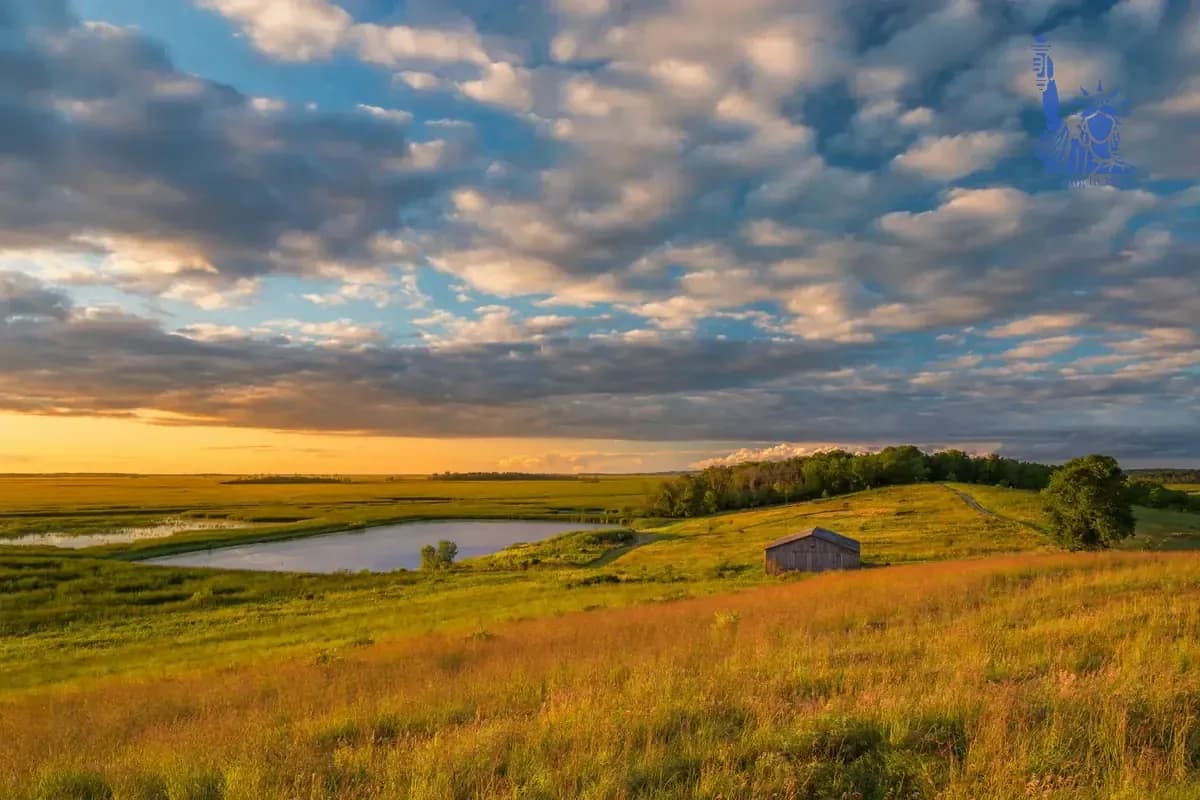
For people who enjoy nature, Wisconsin offers something that many heavily urbanized destinations cannot easily provide: access to lakes, forests, beaches, parks, and outdoor recreational areas.
The Wisconsin Department of Natural Resources recognizes more than 15,000 lakes across the state. Wisconsin also borders Lake Michigan and Lake Superior, giving residents access to extensive freshwater shorelines.
This natural environment is one of the state's most attractive lifestyle features.
Outdoor destinations worth exploring
Door County
Door County is known for its scenic shoreline, small communities, parks, beaches, and seasonal tourism. Residents and visitors can enjoy boating, hiking, cycling, fishing, and exploring local villages.
Devil's Lake State Park
Located near Baraboo, Devil's Lake State Park is popular for hiking, camping, swimming, and rock formations. It is one of Wisconsin's well-known outdoor destinations.
Apostle Islands National Lakeshore
Located along Lake Superior, the Apostle Islands offer opportunities for kayaking, boating, camping, and exploring the region's natural landscapes.
Wisconsin State Parks
Across the state, residents can explore trails, forests, campgrounds, lakes, and recreational areas throughout the year.
What about winter?
Wisconsin experiences four distinct seasons. Summers are generally suitable for outdoor activities, while autumn brings colorful foliage across many parts of the state.
Winter, however, can be challenging for newcomers.
Snowfall, freezing temperatures, icy roads, and shorter daylight hours are important considerations. Residents may need winter tires, appropriate clothing, reliable heating, and additional vehicle maintenance.
For people who enjoy skiing, snowmobiling, ice fishing, and winter recreation, the colder months can also provide plenty of activities.
Why this matters: Wisconsin can be attractive to people who want access to outdoor recreation and a lifestyle that changes with the seasons. However, newcomers should be comfortable with cold winters before choosing the state.
4: Education, Healthcare, and Communities for Families
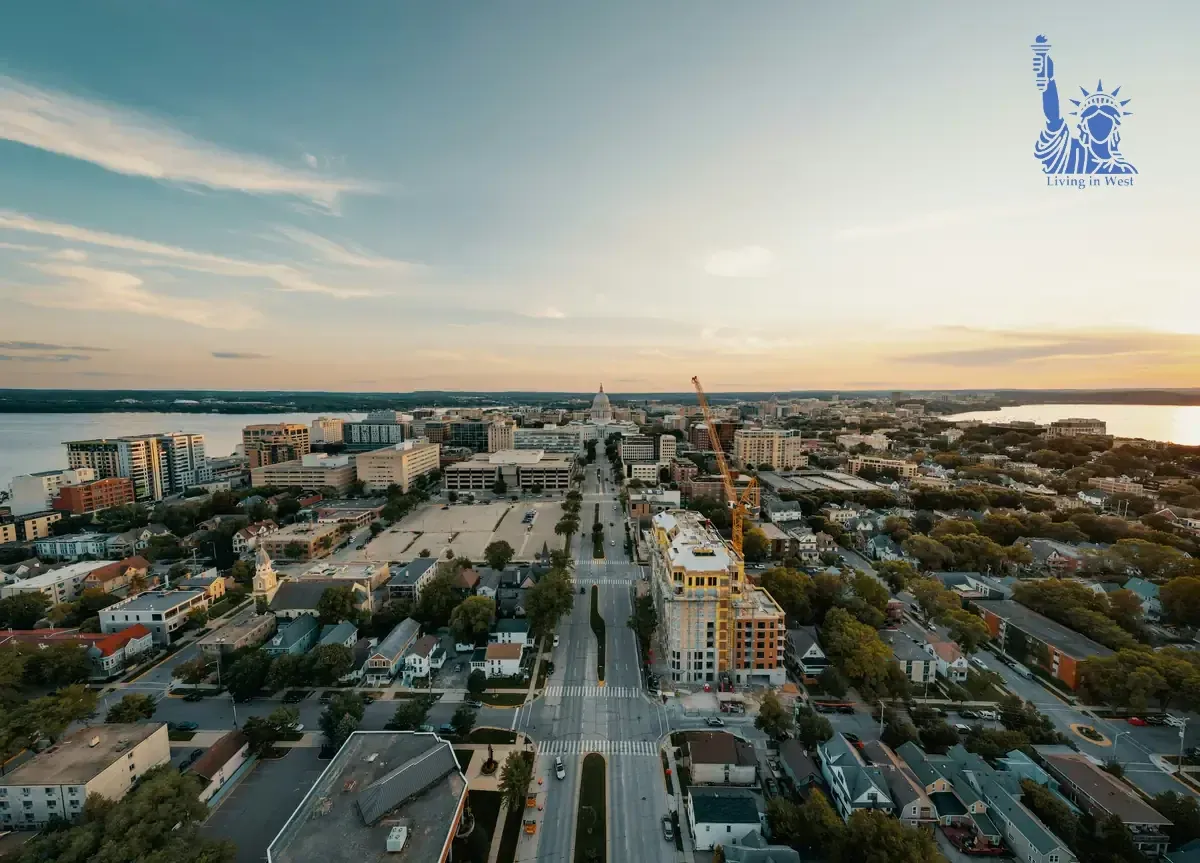
Families considering relocation often look beyond housing prices. Schools, universities, hospitals, childcare options, and neighborhood environments can have a major influence on where they decide to live.
Wisconsin has several established educational institutions and healthcare networks that make it worth researching for households with children and professionals.
Education opportunities
The University of Wisconsin–Madison is one of the state's best-known public research universities. It offers programs across science, engineering, business, education, healthcare, and other academic fields.
Other institutions include:
- University of Wisconsin–Milwaukee.
- Milwaukee School of Engineering.
- Marquette University.
- University of Wisconsin–Eau Claire.
Families with school-age children should compare individual school districts rather than relying only on statewide rankings.
School performance, transportation, class sizes, extracurricular activities, and available programs can differ significantly between communities.
Healthcare access
Wisconsin has several established healthcare providers and hospital networks.
Examples include:
- UW Health in the Madison region.
- Aurora Health Care in southeastern Wisconsin.
- Gundersen Health System in western Wisconsin.
- Froedtert Health in the Milwaukee area.
Healthcare access is particularly important when comparing rural and urban communities. Larger cities may provide access to more specialized medical facilities, while residents in smaller towns may need to travel for certain services.
New residents should also compare health insurance premiums, deductibles, provider networks, and out-of-pocket expenses before moving.
Community life
Wisconsin has a strong tradition of local festivals, farmers' markets, neighborhood events, and community activities.
Madison, Milwaukee, Appleton, and Green Bay each offer different lifestyles.
Some families may prefer suburban neighborhoods with access to schools and parks, while others may prefer smaller communities with less urban activity.
Why this matters: Wisconsin provides several educational and healthcare options, but the best choice depends on the specific school district, medical facilities, and community where a family plans to live.

5: Local Lifestyle, Taxes, and Location Make Wisconsin Worth Considering
Another reason people consider Wisconsin is its combination of regional connectivity, local culture, and different living environments.
Wisconsin is located in the Upper Midwest, making it possible to travel to neighboring states and major regional destinations by road, rail, or air.
Convenient regional connections
Milwaukee is approximately 90 miles from Chicago, depending on the route and starting point. Madison is also within driving distance of Milwaukee and other major Wisconsin communities.
The state has two important commercial airports for many travelers:
- Milwaukee Mitchell International Airport (MKE).
- Dane County Regional Airport (MSN) in Madison.
For people who travel regularly for work or family reasons, airport access and driving distances should be part of their relocation decision.
Wisconsin's local culture
Wisconsin has a distinctive local culture built around sports, food, festivals, and community traditions.
The Green Bay Packers are among the state's most recognizable sporting institutions. Milwaukee is home to the Milwaukee Bucks and Milwaukee Brewers.
Food is another important part of local life. Cheese curds, Friday fish fries, local dairy products, and farmers' markets are familiar features of Wisconsin communities.
The Dane County Farmers' Market in Madison is particularly well known for its producer-only market tradition.
Understanding Wisconsin taxes
Taxes should be part of every relocation budget.
Wisconsin has a progressive individual income tax system, and its state sales tax rate is generally 5%, with additional local taxes in some areas.
Property taxes are particularly important for homeowners. The effective rate and annual bill can vary depending on the municipality, assessed property value, and local tax levies.
One potential advantage for retirees is that Wisconsin does not tax Social Security benefits at the state income tax level.
However, federal tax rules still apply, and other retirement income may receive different tax treatment.
What are the disadvantages of moving to Wisconsin?
Although Wisconsin has several advantages, it is not the right choice for everyone.
Potential challenges include:
- Cold and snowy winters.
- Heating and vehicle maintenance expenses.
- Property taxes that may be substantial in some communities.
- Dependence on a personal vehicle in many suburban and rural areas.
- Different job opportunities and salary levels depending on location.
- Limited access to certain specialized services in smaller communities.
Understanding these challenges before relocating can help households make a more informed decision.
Is Wisconsin a Good Place to Move in 2026?
Wisconsin deserves consideration from people looking for a different balance between housing, employment, education, outdoor recreation, and community life.
It may be particularly attractive to households moving from more expensive metropolitan areas, professionals interested in manufacturing or healthcare careers, and families who prefer smaller cities or suburban environments.
However, there is no single best state for everyone. Your decision should depend on your employment situation, housing budget, family requirements, preferred climate, and access to transportation and healthcare.
Before making a move, compare at least two or three Wisconsin cities, review current housing listings, calculate your estimated monthly expenses, and research local employment opportunities.
A little preparation can make the difference between an expensive relocation mistake and a successful move.
Frequently Asked Questions
1. Is Wisconsin affordable to live in 2026?
Wisconsin can offer more affordable housing options than several expensive coastal markets. However, affordability depends on the city, household income, property taxes, transportation, and other monthly expenses.
2. What is the median home price in Wisconsin in 2026?
The Wisconsin REALTORS Association reported a statewide median existing-home sale price of $342,000 in September 2026. Actual prices vary by city and neighborhood.
3. What are the best cities to live in Wisconsin?
Madison, Milwaukee, Green Bay, Appleton, and Eau Claire are worth researching. Each offers different housing options, employment opportunities, and lifestyle advantages.
4. Is Wisconsin a good state for families?
Wisconsin offers universities, public school districts, healthcare networks, parks, and family-oriented communities. However, families should research individual school districts and local healthcare access before choosing a city.
5. What are the disadvantages of living in Wisconsin?
The biggest challenges can include cold winters, snow removal, vehicle expenses, property taxes, and limited public transportation in some communities.
6. Can foreigners buy a house in Wisconsin?
Foreign nationals can generally purchase residential property in Wisconsin without being US citizens or holding a green card. However, property ownership does not grant a visa, residency, or work authorization. Mortgage eligibility and tax obligations depend on individual circumstances.
7. Does Wisconsin tax Social Security benefits?
Wisconsin does not impose state income tax on Social Security benefits. Federal income tax rules may still apply depending on an individual's income.
Final Thoughts
Wisconsin is not simply a state known for cheese, dairy farms, and cold winters. It has a diverse economy, established educational institutions, natural attractions, and communities that offer different options for people considering a move in 2026.
For anyone researching a more manageable cost of living and a different American lifestyle, the Badger State is worth exploring before making a final relocation decision.

Editorial Team