How Does Summer Affect Your Skin?
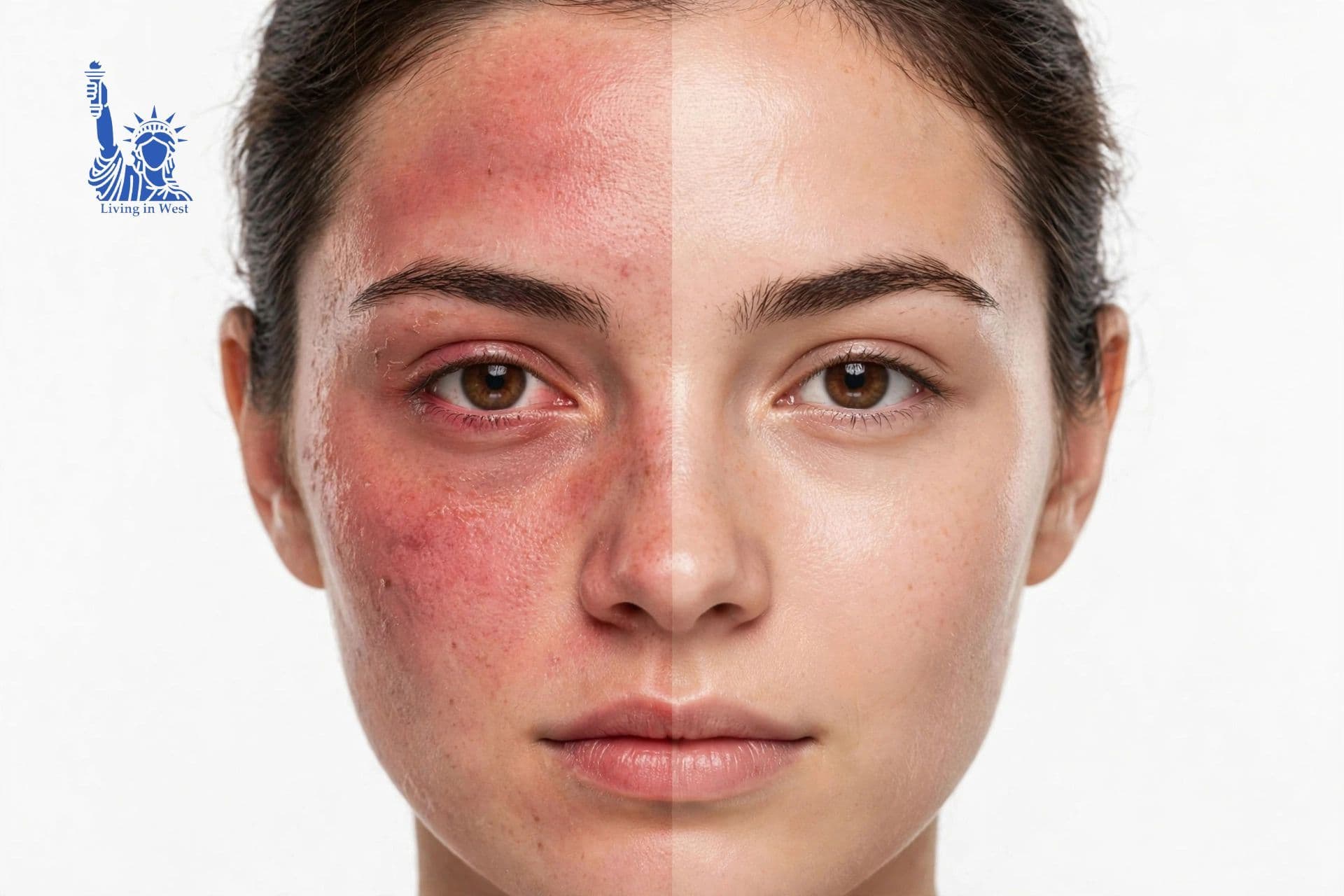
Summer can be challenging for your skin. Hot temperatures, sweating, humidity and increased outdoor activity can contribute to problems such as oily skin, clogged pores, irritation, sunburn and uneven pigmentation.
The biggest concern, however, is not simply the heat. It is ultraviolet (UV) radiation from the sun.
Too much UV exposure can damage skin cells and increase the risk of skin cancer. It can also contribute to premature skin aging, including wrinkles, uneven pigmentation and other signs of photoaging. The CDC says that most skin cancers are caused by excessive exposure to UV radiation.
That is why summer skin care should focus on sun protection rather than simply trying to remove a tan after it develops.
The FDA also explains that tanning is a response to UV exposure and that a tan is a sign of skin damage—not a sign of healthy skin.
Part 1: Why Does Your Skin Get Darker or Tanned in the Sun?
Your skin contains melanin, a pigment that contributes to your natural skin color.
When UV radiation reaches the skin, it triggers biological responses that can increase melanin production. The resulting darkening is what many people recognize as a suntan.
There are two major types of UV radiation that matter for skin protection:
1. UVB Rays
UVB radiation is strongly associated with sunburn and direct damage to skin cells.
Sunburn can cause:
- Redness
- Warmth
- Pain or stinging
- Peeling
- Blistering in more severe cases
2. UVA Rays
UVA radiation penetrates deeper into the skin and contributes to photoaging and pigmentation.
Long-term UV exposure can contribute to:
- Fine lines
- Wrinkles
- Uneven skin tone
- Dark spots
- Loss of skin elasticity
UV exposure can occur even when the weather does not feel extremely hot. The CDC notes that UV rays can reach you on cloudy days and can reflect from surfaces such as water, sand, cement and snow.
What About Visible Light?
Visible light can also contribute to pigmentation.
This is particularly important for people with darker skin tones who are prone to hyperpigmentation or melasma.
The American Academy of Dermatology recommends considering a tinted sunscreen containing iron oxides, in addition to SPF 30 or higher, broad-spectrum protection and water resistance, because iron oxides can provide protection against visible light.
Is Any Tan a “Safe Tan”?
No.
A tan caused by UV exposure is a response to radiation and should not be considered a safe way to change your skin color. The FDA lists tanning among the effects associated with UV exposure and skin damage.
Part 2: 5 Smart Ways to Protect Your Skin From the Summer Sun
1. Choose the Right Sunscreen
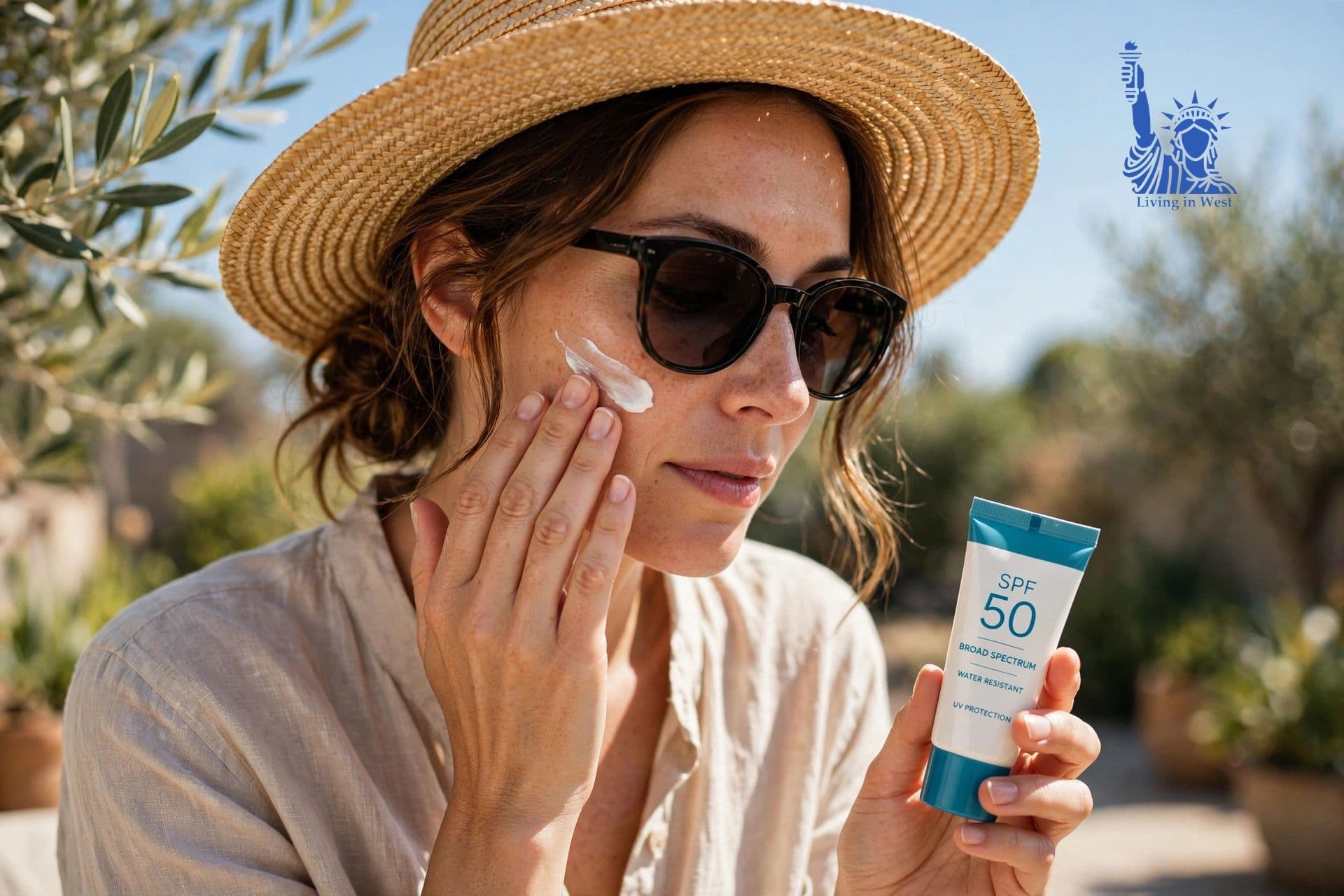
One of the most important steps in summer skin care is using sunscreen correctly.
The American Academy of Dermatology recommends choosing a sunscreen that is:
- Broad-spectrum
- SPF 30 or higher
- Water-resistant
Broad-spectrum sunscreen protects against both UVA and UVB radiation.
If pigmentation is a major concern, especially for darker skin tones, a tinted sunscreen containing iron oxide may provide additional protection against visible light.
When Should You Apply Sunscreen?
Apply sunscreen before going outdoors.
The AAD recommends applying it approximately 15 minutes before going outside, giving the product time to form an effective protective layer on the skin.
How Much Sunscreen Should You Use?
Using too little sunscreen is one of the most common mistakes.
The AAD recommends approximately 1 ounce—about a shot-glass amount—for an adult's exposed body. For the face, the AAD recommends at least about 1 teaspoon, although the amount needed can vary depending on the product and area being covered.
Apply sunscreen to exposed areas including:
- Face
- Ears
- Neck
- Tops of feet
- Hands
- Legs
- Scalp if hair is thinning
- Lips with an SPF 30+ lip balm
When Should You Reapply?
Reapply sunscreen every two hours while outdoors, and reapply sooner after swimming or heavy sweating.
Sunscreen should not be treated as permission to stay in direct sunlight indefinitely.
2. Don't Forget These Commonly Missed Areas
Many people apply sunscreen to their face but forget other exposed areas.
Pay particular attention to:
Ears
The tops and backs of the ears are often exposed to sunlight.
Neck
The neck can receive significant UV exposure, especially when wearing open-collar clothing.
Hands
The backs of your hands are regularly exposed to sunlight and can develop visible signs of photoaging.
Tops of the Feet
Sandals and open shoes can leave the tops of your feet exposed.
Lips
Use a lip balm with SPF 30 or higher. The AAD specifically recommends SPF 30+ protection for the lips.
Scalp
People with thinning hair or exposed scalp should consider sunscreen for the scalp or wear a protective hat.
3. Clothing Can Be Your First Line of Defense
Sunscreen is only one part of sun protection.
The AAD recommends combining sunscreen with protective clothing, shade and other measures.
Consider wearing:
- Lightweight long-sleeved shirts
- Long pants when practical
- Wide-brimmed hats
- UV-protective sunglasses
- UPF-rated clothing
What Is UPF Clothing?
UPF stands for Ultraviolet Protection Factor.
Clothing with a UPF rating is specifically designed to reduce UV radiation reaching the skin.
For maximum protection, choose clothing labeled with a UPF rating rather than assuming that any particular color or fabric automatically provides a specific level of UV protection.
4. Use Shade and Choose Your Outdoor Timing Carefully
The CDC says UV radiation is generally strongest during the middle of the day, with the strongest exposure in the continental United States typically occurring between 10 a.m. and 4 p.m. during daylight saving time.
When possible:
- Stay in the shade during peak UV hours.
- Use an umbrella or other shade structure.
- Wear protective clothing.
- Avoid unnecessary prolonged direct sunlight.
- Continue using sunscreen even when you are not directly standing in the sun.
Shade and sunscreen work better together than relying on either one alone.
5. Protect Your Eyes and Face
Your eyes also need protection from UV radiation.
Choose sunglasses that provide UV protection against UVA and UVB.
A wide-brimmed hat can provide additional protection for the face, ears and neck.
The CDC and AAD both recommend combining sunglasses and protective clothing with shade and sunscreen.
Part 3: Does Drinking Water Prevent Sunburn?
Staying hydrated is important during hot weather, particularly when you are sweating heavily.
However, drinking water does not replace sunscreen or other UV-protection measures.
If you develop a sunburn, the AAD recommends drinking extra water because sunburn can contribute to fluid loss and dehydration.
Instead of following a universal rule such as “everyone must drink exactly 8–10 glasses,” focus on maintaining adequate hydration based on your activity, weather conditions and individual needs.
During extreme heat, people who sweat heavily may also need to replace electrolytes, particularly during prolonged outdoor activity.
Part 4: What Foods Are Good for Summer Skin?
A balanced diet supports overall health and provides nutrients that your body needs.
Summer-friendly foods include:
- Tomatoes
- Carrots
- Watermelon
- Melons
- Leafy green vegetables
- Berries
- Citrus fruits
- Nuts and seeds
These foods contain various vitamins, minerals and antioxidant compounds.
However, food should not be considered a substitute for sunscreen.
Eating tomatoes or drinking green tea does not provide the same type of protection as sunscreen, shade and protective clothing.
Part 5: A Simple Summer Morning Skincare Routine
A practical summer routine does not need to contain many products.
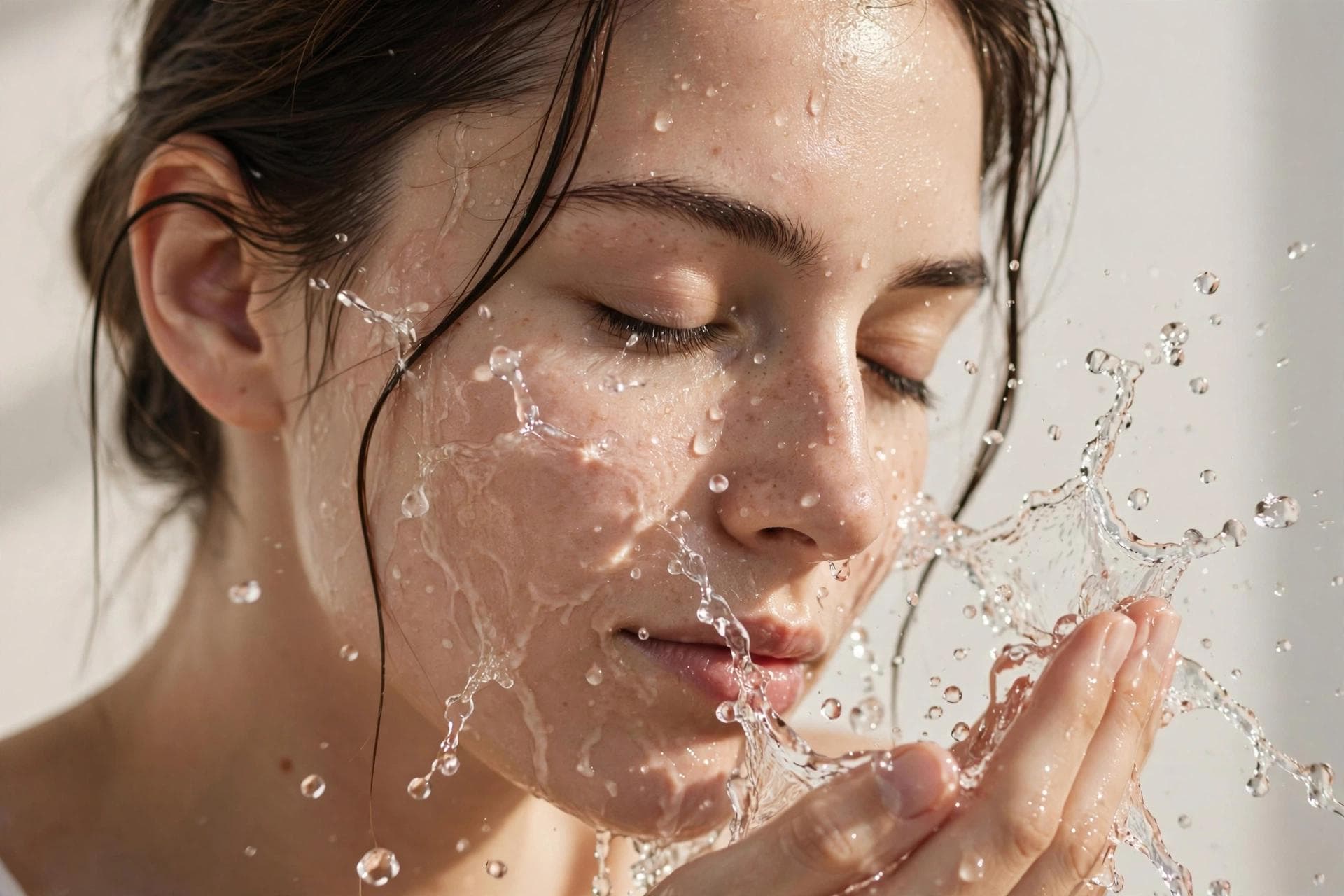
Step 1: Gentle Cleanser
Use a gentle cleanser appropriate for your skin type.
If your skin becomes oily or sweaty during summer, a lightweight cleanser may feel more comfortable than a heavy cleansing product.
Avoid excessive washing, which can irritate the skin.
Step 2: Lightweight Moisturizer
Hot weather does not mean that everyone should stop moisturizing.
Choose a lightweight moisturizer containing ingredients such as glycerin or hyaluronic acid if they work well for your skin.
People with oily or acne-prone skin may prefer a non-comedogenic formula.
Step 3: Sunscreen
Finish your morning routine with a broad-spectrum, water-resistant SPF 30 or higher sunscreen.
If dark spots or melasma are a concern, consider a tinted sunscreen containing iron oxides.
Step 4: Lips and Eyes
Apply SPF 30+ lip balm and wear UV-protective sunglasses when outdoors.
Part 6: Summer Skin Care During the Day
If you spend several hours outdoors:
Reapply Sunscreen
Reapply every two hours while outdoors and after swimming or heavy sweating.
Don't Rub Sweaty Skin
If your face becomes sweaty, gently pat it rather than aggressively rubbing the skin.
Don't Depend on Sunscreen Alone
Use a combination of:
Sunscreen + shade + protective clothing + hat + sunglasses
This provides a more comprehensive approach to sun protection.
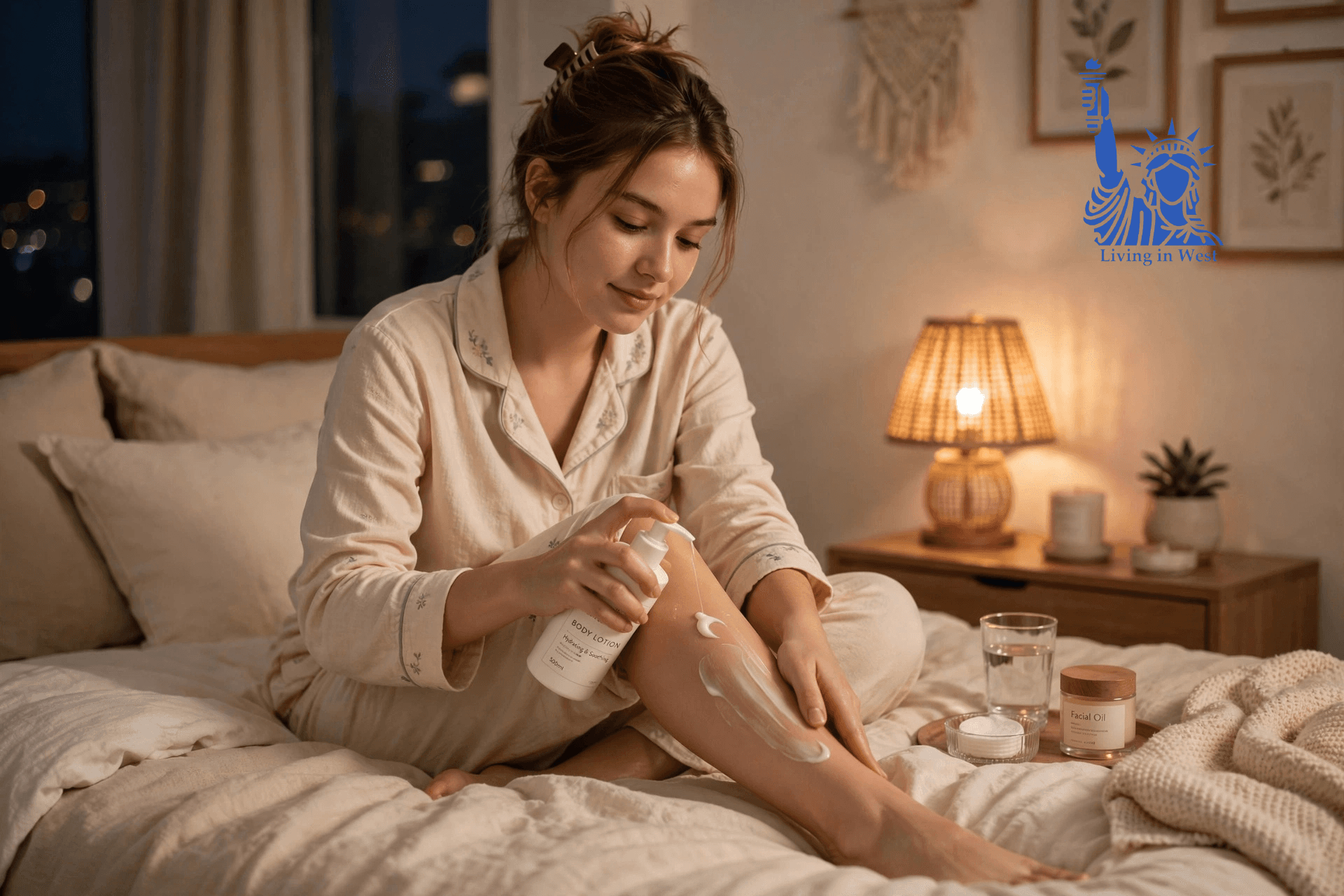
Part 7: Simple Nighttime Skin Recovery Routine
At night, the goal is to clean and moisturize the skin without unnecessarily irritating it.
Step 1: Cleanse
Remove sunscreen, makeup, sweat and dirt with a gentle cleanser.
If you wear heavy or water-resistant sunscreen, you may find a first cleansing step useful, followed by a gentle cleanser.
Step 2: Moisturize
Apply a moisturizer suited to your skin type.
Step 3: Avoid Aggressive Scrubbing
If your skin has been sunburned or irritated, avoid harsh scrubs and other irritating products until the skin has recovered.
There is no need to aggressively “scrub away” a tan.
What Should You Do If You Get Sunburned?
The first step is to get out of the sun.
The American Academy of Dermatology recommends:
- Taking a cool bath or shower
- Gently patting the skin dry
- Applying a moisturizer containing aloe vera or soy
- Drinking extra water
- Using a cool, damp cloth for comfort
- Leaving blisters intact rather than popping them
What Should You NOT Do?
Avoid trying to remove sunburn or tanning with harsh home remedies.
Do not:
- Scrub peeling skin
- Pull off peeling skin
- Pop blisters
- Apply irritating household substances such as lemon or baking soda
- Use harsh exfoliation on burned skin
Sunburn can take time to heal, and recovery varies depending on its severity.
If you develop severe symptoms such as significant blistering, fever, chills, nausea, worsening pain, swelling or signs of infection, seek medical advice. The AAD specifically recommends medical attention for worsening or severe sunburn symptoms.
Can You Completely Prevent Tanning?
Not necessarily.
No sunscreen can block 100% of UV radiation, and real-world protection depends on how much sunscreen you use, how often you reapply it, your exposure level and whether you also use shade and protective clothing.
The goal of sun protection should not be to change your natural skin color.
The goal is to reduce UV damage, prevent sunburn, protect against premature skin aging and lower the risk of skin cancer.
For people who develop dark spots or melasma, consistent sun protection can also help prevent pigmentation from becoming worse.
Summer Skin Protection Checklist
Before heading outdoors, ask yourself:
☐ Did I apply broad-spectrum SPF 30+ sunscreen?
☐ Did I cover my ears and neck?
☐ Did I apply SPF lip balm?
☐ Am I wearing UV-protective sunglasses?
☐ Do I have a hat?
☐ Can I stay in the shade during peak UV hours?
☐ Am I wearing protective clothing?
☐ Will I remember to reapply sunscreen after sweating or swimming?
☐ Am I drinking enough fluids for the weather and my activity level?
These simple habits can make a major difference over the course of the summer.
Frequently Asked Questions
Is SPF 30 enough for summer?
SPF 30 or higher is recommended by the American Academy of Dermatology. Choose a broad-spectrum, water-resistant sunscreen and apply enough of it.
How often should I reapply sunscreen?
Reapply approximately every two hours while outdoors, and sooner after swimming or heavy sweating.
Does sunscreen prevent tanning completely?
No sunscreen provides complete protection from UV radiation. Consistent use can reduce UV exposure and help reduce tanning and sun damage.
Is a tan healthy?
No. A UV-induced tan is a response to UV exposure and is considered a sign of skin damage.
Is tinted sunscreen better for dark spots?
It can be especially useful for people prone to hyperpigmentation because tinted sunscreens containing iron oxides can provide protection against visible light as well as UV radiation.
Can I get sunburned on a cloudy day?
Yes. UV radiation can reach the skin even on cloudy days.
Do I need sunscreen if I have dark skin?
Yes. Dermatologists recommend sun protection for all skin tones. People with darker skin may be particularly concerned about visible-light-induced hyperpigmentation and dark spots.
What is the best sunscreen for oily skin?
Look for a broad-spectrum, water-resistant SPF 30+ sunscreen that feels comfortable on your skin. If you are acne-prone, a non-comedogenic formula may be preferable.
Can aloe vera remove a suntan?
Aloe vera can help soothe irritated or sunburned skin, but it should not be considered a proven treatment for removing a suntan. For persistent pigmentation, a dermatologist can recommend appropriate treatment.
When should I see a doctor for sunburn?
Seek medical advice if the burn is severe or worsening, especially if you develop extensive blistering, fever, chills, nausea, significant swelling, worsening pain or possible infection.
Final Takeaway
Healthy summer skin is not about trying to become lighter or completely avoiding the outdoors.
It is about protecting your skin from excessive UV exposure.
Use a broad-spectrum SPF 30 or higher sunscreen, apply enough, reapply regularly, seek shade during peak UV hours, wear protective clothing, use a wide-brimmed hat and protect your eyes with UV-protective sunglasses.
If you have darker skin or are prone to pigmentation, a tinted sunscreen containing iron oxides may provide an additional benefit against visible light.
And if you do get sunburned, don't scrub, peel or experiment with harsh home remedies. Cool the skin, moisturize it, stay hydrated and seek medical attention if symptoms are severe.
The best summer skincare routine is not necessarily the most expensive one. Consistent sun protection is one of the most important things you can do for your skin year-round.

Editorial Team