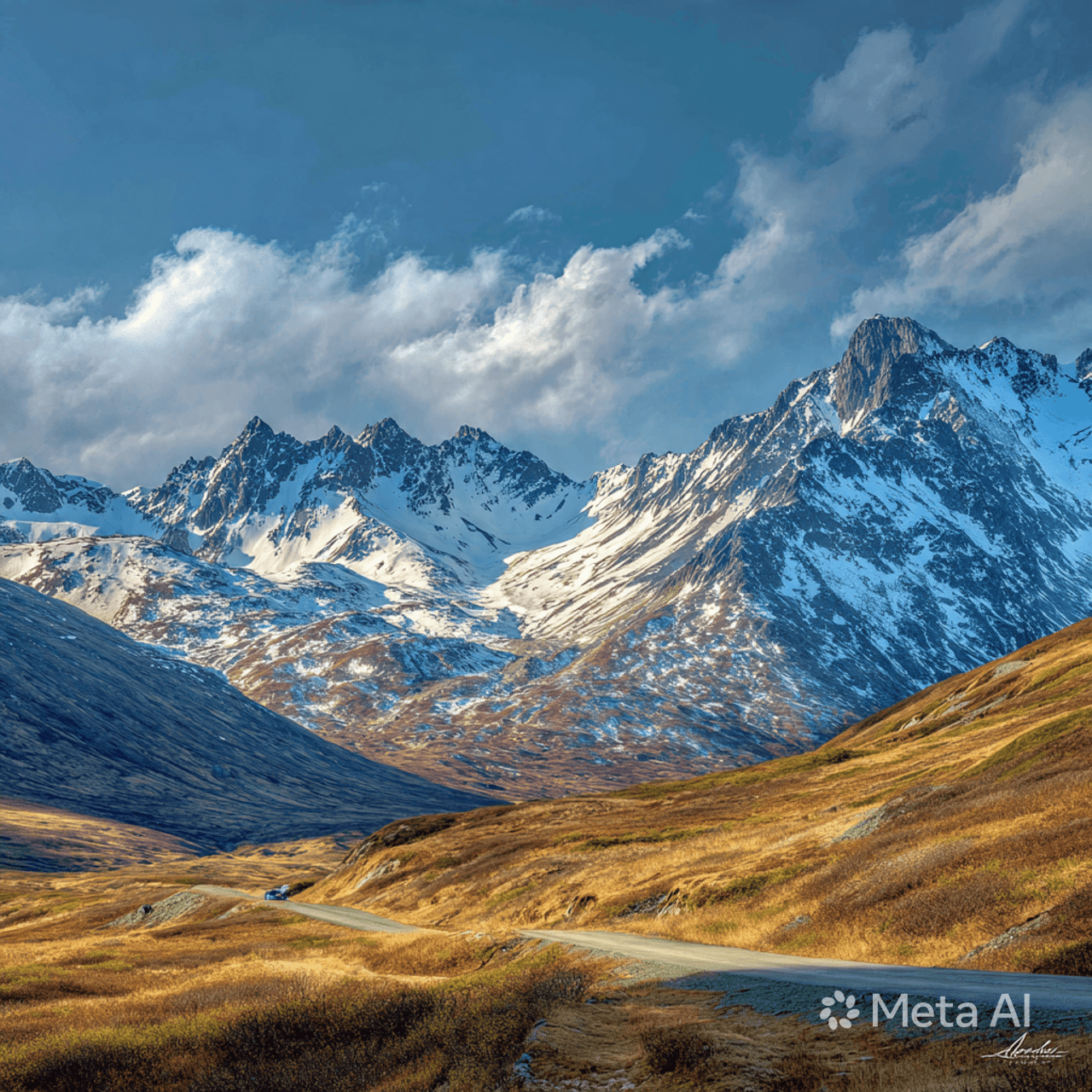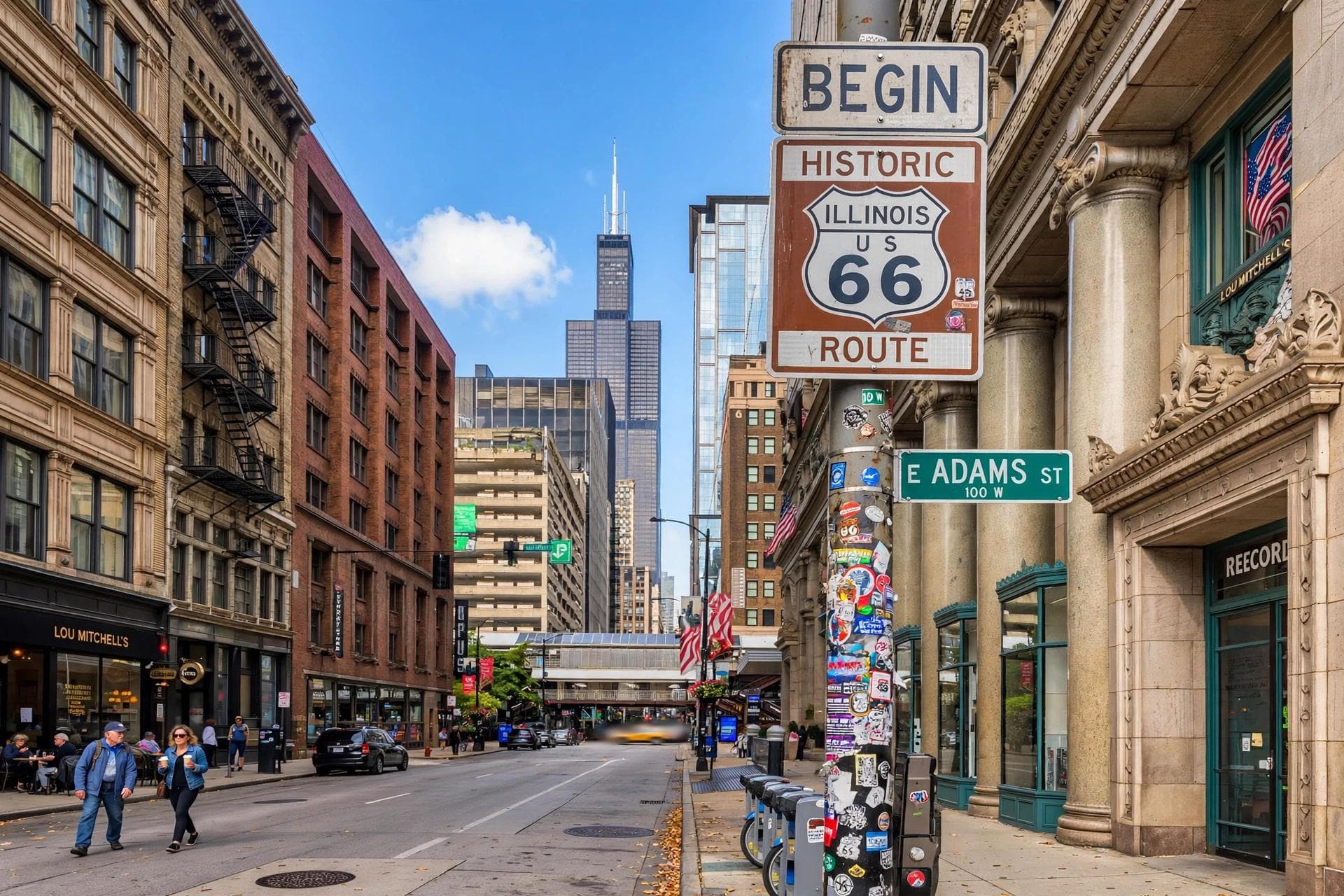
What is Route 66? The Beginning in Chicago
Understanding Route 66 is understanding the history, small towns, and open-road culture of America's most famous highway. Stretching from Chicago to Santa Monica, this old road was once the main route for families, migrants, truck drivers, and vacation travelers. Today, its vintage motels, neon signs, diners, gas stations, and quirky roadside attractions still give travelers a glimpse of old America.
Called the "Main Street of America" and the "Mother Road," it connected small towns, local shops, and travelers heading west.
Route 66 was removed from the official U.S. highway system in 1985. So today it is not one continuous modern highway. Many parts survive as original alignments, state roads, county roads, or preserved historic sections. It is not a National Historic Trail, but the NPS Route 66 Corridor Preservation Program helps save its historic sites.
History and The Heartland - Illinois to Oklahoma & Texas
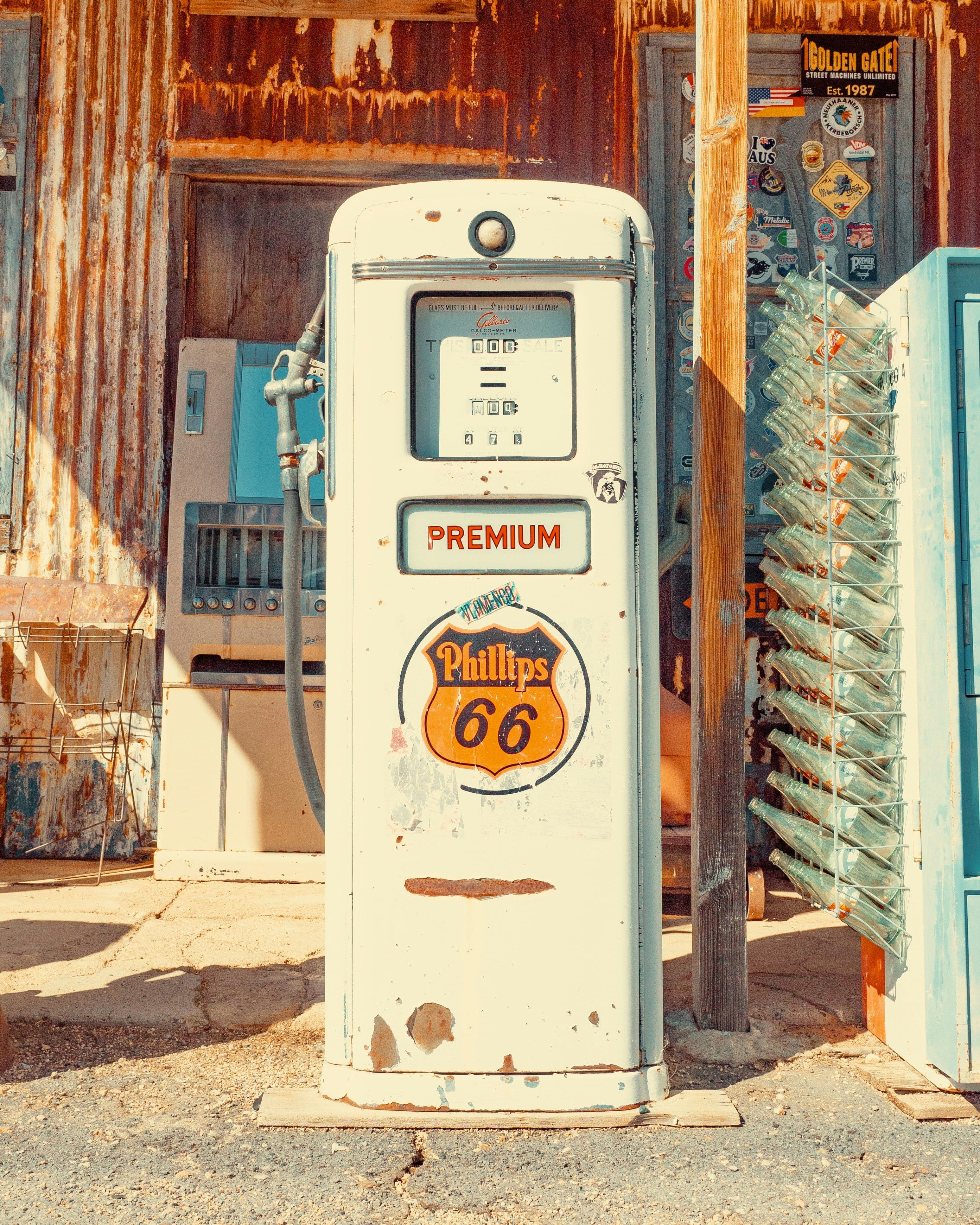
History: Established on November 11, 1926, the original Route 66 was about 2,448 miles. During the Great Depression, families headed west to California to escape economic hardship. John Steinbeck's The Grapes of Wrath gave this migration a place in American literature. After World War II, car ownership and family vacations boomed, and motels, drive-ins, and service stations grew fast. Now in 2026, it marks 100 years.
Illinois, Missouri, Kansas: In Chicago, historic markers are near Adams Street and Jackson Boulevard. Springfield, Pontiac, and Wilmington in Illinois have museums and murals. St. Louis and Meramec Caverns in Missouri are key stops. Kansas has a short stretch but Galena and Riverton's Rainbow Bridge make it special.
Oklahoma, Texas, New Mexico: Oklahoma has the longest driveable stretch. Don't miss the Oklahoma Route 66 Museum in Clinton, the National Route 66 Museum Complex in Elk City, and the Chandler Interpretive Center. In 2026, centennial events like the National Kickoff in Springfield (April 30-May 3) and Oklahoma City's "Kickin' It On Route 66" are happening. In Texas, Amarillo's Cadillac Ranch and Adrian's Midpoint Café are iconic. In New Mexico, Tucumcari's Blue Swallow Motel and Albuquerque's Central Avenue offer real cultural flavor.
Arizona - The Desert Magic
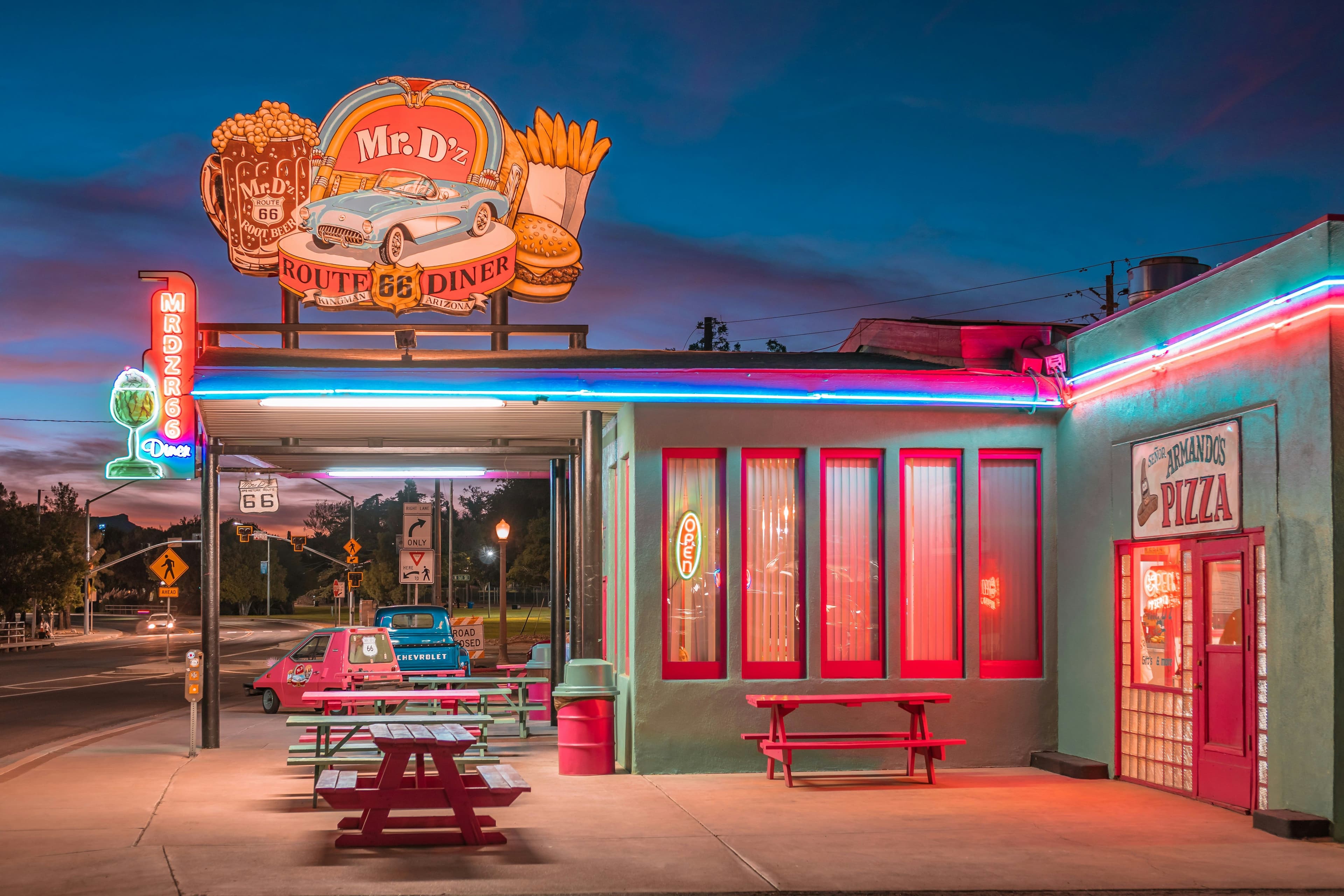
This is the most photographed section. In Arizona, you'll find Petrified Forest National Park, Painted Desert, Winslow, and Flagstaff. Winslow's "Standin' on the Corner" park and Flagstaff's historic downtown still show the old road's identity. This state also hosts the oldest Route 66 celebration - the Fun Run (May 1-3, 2026).
It's perfect for photography - prairie, desert, historic bridges, and painted signs. Choose safe parking at sunrise or sunset and follow Leave No Trace rules in parks. Spending at local diners and motels directly supports small Route 66 communities.
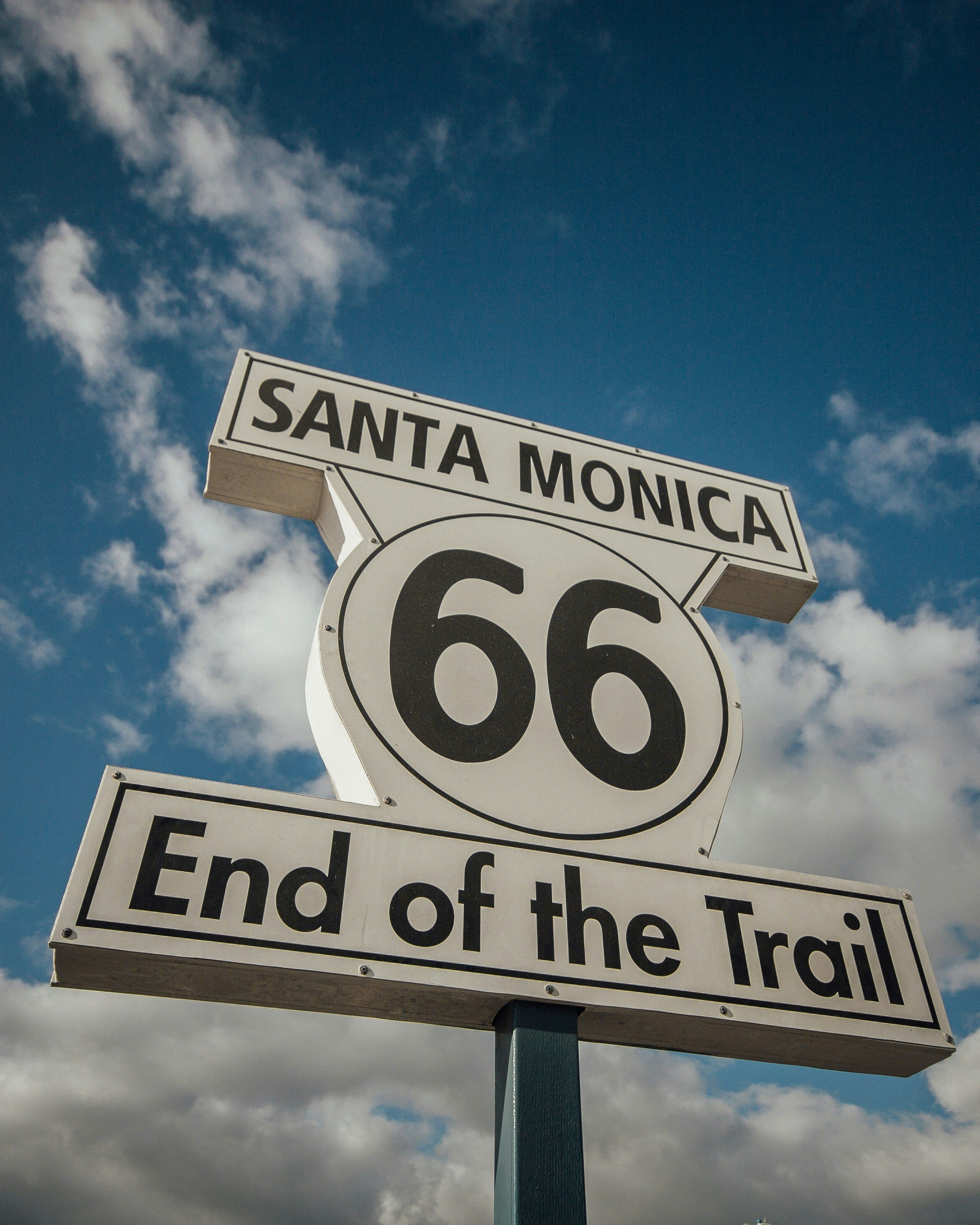
California - The End of the Trail and Trip Planning
California features the Mojave Desert, Amboy, Barstow, and the famous Santa Monica Pier. The Pier hosted the "Great Route 66 Centennial Convergence" on April 30, 2026. In desert sections, carry water, fuel, and sunscreen - cell service and gas stations can be miles apart. Check entry fees, permits, and weather alerts for national parks.
How to Plan:
Allow 2-3 weeks for Chicago to Santa Monica for a relaxed historic trip. Short on time? Pick a 3-5 day regional segment. A rental car is best for long distances. Carry offline maps and historic route guides. Spring and fall are most comfortable. Book historic motels early, especially during 2026 centennial events.
Safety: Never let your fuel tank go below half in rural sections. Carry water, a first-aid kit, spare tire, and emergency charger. Respect private property and Indigenous cultural sites.
FAQ:
How long was Route 66? 2,448 miles originally.
Does it still exist? Not as one official highway since 1985, but many historic segments are driveable.
Will it be 100 years old this year? Yes, November 11, 2026 marks 100 years (1926-2026).
Best time? Spring and autumn.
Conclusion: Route 66 is not just an old highway, but a living heritage of American history, migration, car culture, and small businesses. At 100 years old in 2026, it still tells the story of America through its roads and communities.

Editorial Team