The U.S. Job Market Has a Hiring Calendar
Many job seekers make the same mistake: they assume that every month is equally good for applying.
It isn't.
Hiring managers have annual goals, staffing needs, vacations and business cycles to manage. That creates seasonal patterns in recruitment.
According to Indeed's 2026 career guidance, January and February are among the strongest months for job seekers, while September and October are another important hiring period. Indeed also notes that December can be slower because of holidays and year-end activities.
So instead of thinking:
"I should apply whenever I feel ready."
Think:
"I should always be ready — but I should push harder when hiring activity is stronger."
That difference can make your job search more organized and efficient.
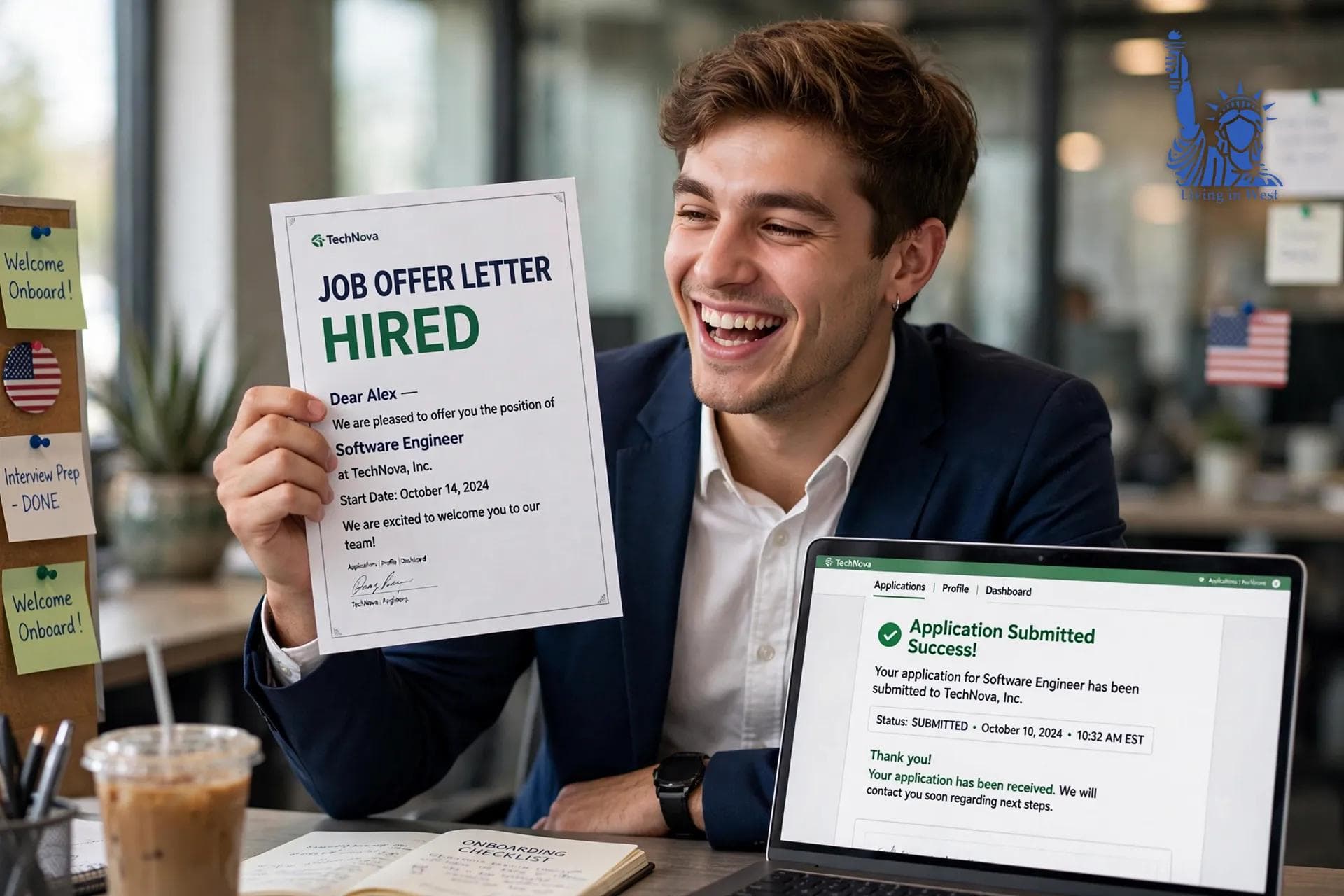
Best Time January and February
The New-Year Hiring Window
January and February are traditionally strong months for job searching in the United States.
After the holiday period, employees return to their normal schedules, managers review staffing needs and companies begin working toward their goals for the new year.
Some positions that were planned or approved around the end of the previous year may start moving through the hiring process.
Indeed specifically identifies January and February as a strong period for hiring, with February described as a particularly strong month.
However, don't assume January 1 is automatically the best day to apply.
The first part of January can actually be slower because many employees and hiring managers are returning from holiday vacations.
A practical strategy is:
Prepare your resume in December → start applying in January → push hard through February.
What can happen during this period?
You may see:
- More new positions being posted
- Hiring managers becoming more active after the holidays
- Interviews moving forward after January applications
- Companies filling roles connected to new-year staffing plans
- Strong opportunities for full-time and professional positions
The U.S. Bureau of Labor Statistics also shows that hiring continues at a very large scale during this period. In January 2026, U.S. employers recorded approximately 5.3 million hires, while February recorded approximately 4.85 million hires.
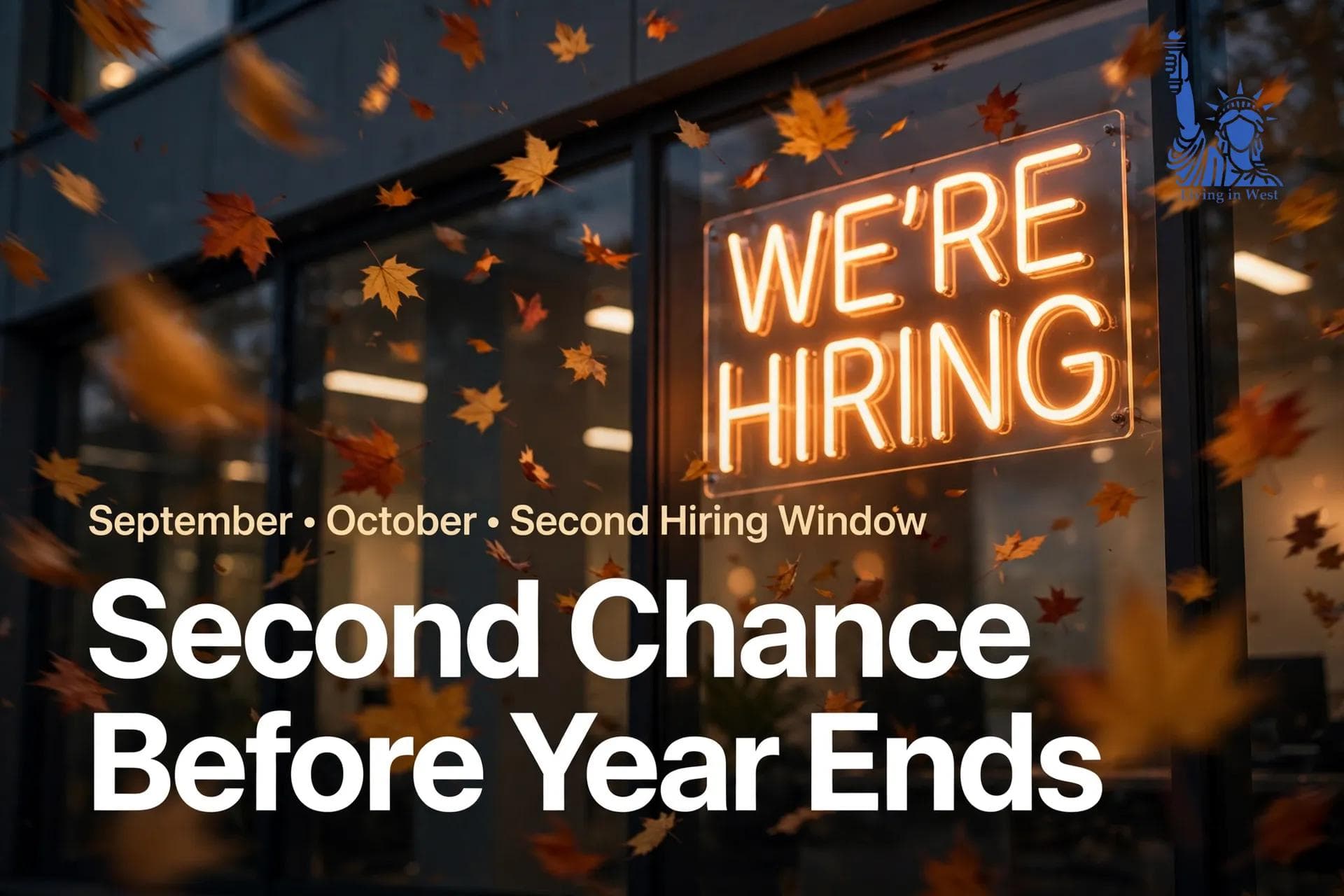
Best Time #2 — September and October
The Fall Hiring Window
The second major opportunity comes after summer.
September and October can be strong months because employees and hiring managers are returning from summer vacations and companies still have time to recruit before the final months of the year become dominated by holidays and year-end activities.
Indeed's 2026 career guidance identifies September and October as another important hiring period.
This makes the period particularly useful for people who missed the January–February window.
Why apply before November?
Because the hiring process takes time.
A company may need to:
- Post the position
- Review resumes
- Conduct phone or video interviews
- Schedule additional interviews
- Check references
- Make an offer
- Complete onboarding
Depending on the position and company, this process can take weeks or even months.
So waiting until December may mean entering the application process when some hiring teams are already dealing with holidays and year-end priorities.
A smarter strategy:
Update your resume in August → start applying in September → push hard through October.
This gives you time to move through the hiring process before the holiday period.

What About the Rest of the Year?
Here's where many job-search articles get it wrong.
The rest of the year is NOT useless.
Companies in the U.S. hire throughout the year.
There is no rule saying that companies stop hiring from March through August or completely shut down recruitment in November and December.
In fact, BLS data shows millions of hires occurring every month. In March 2026, for example, the U.S. recorded approximately 5.55 million hires.
So you should never stop applying simply because it isn't January or September.
Instead, think about the year like this:
January–February
Strong hiring window
A good time to aggressively search for new opportunities.
March–May
Still a good period
Many companies continue recruiting, and spring can be useful for graduates, entry-level candidates and professionals changing jobs.
June–August
Hiring can become slower in some industries
Summer vacations can affect interview schedules and decision-making, but many companies continue hiring normally.
Some industries may even have increased seasonal demand.
September–October
Second major hiring window
A strong period to increase applications before the end-of-year holiday period.
November–December
Potentially slower for some office-based roles
Holiday schedules, year-end priorities and budget planning can slow some recruitment processes.
But this does not mean companies stop hiring.
Retail, hospitality, healthcare, logistics and seasonal industries can follow completely different hiring patterns.

The Real Secret: Don't Wait for the Perfect Month
The biggest mistake isn't applying in June.
The biggest mistake is having no strategy.
If you know that January–February and September–October can be strong hiring periods, use the months before them to prepare.
Your Yearly Job-Search Strategy
August
Update your resume, LinkedIn profile and portfolio.
September–October
Aggressively apply to suitable positions.
November–December
Continue applying while preparing for the January hiring cycle.
January–February
Push your applications hard.
March–May
Continue applying and target specific industries and companies.
June–August
Keep applying while preparing for the September hiring cycle.
This way, you aren't waiting around for a "magic month."
You're using hiring seasonality to your advantage.
FAQ: Best Time to Apply for Jobs in the USA
1. What is the best month to apply for jobs in the USA?
February is often considered one of the strongest months for job seekers, according to Indeed's 2026 career guidance. January is also a strong period, although the first part of January can be slower as employees return from holiday vacations.
2. Is January a good time to apply for a job?
Yes. January can be a strong month because companies and managers begin working on new-year staffing plans. However, applying during the second part of January may be more productive than applying immediately after New Year's Day.
3. Is September a good month to find a job in the USA?
Yes. September is part of the second major hiring window of the year. Many hiring teams become more active after the summer period.
4. Should I stop applying for jobs during summer?
No.
Summer can be slower for some companies because of vacations, but businesses continue hiring. If you find a suitable job opening in June, July or August, apply instead of waiting for September.
5. Is December a bad month to apply for jobs?
Not necessarily.
Some companies slow recruitment during the holidays, but others continue hiring. Industries such as retail, hospitality, healthcare and logistics may have significant hiring activity during this period.
6. How early should I prepare my resume before applying?
Ideally, prepare your resume several weeks before your target hiring period.
For a September–October push, start preparing in August.
For a January–February push, prepare during December.
7. Does applying at the right time guarantee an interview?
No.
Timing can improve your chances of being active during a stronger hiring period, but it cannot guarantee an interview or job offer.
Your qualifications, experience, resume, location, industry, employer requirements and work authorization can all affect the result.
8. What is more important: timing or a good resume?
Both matter, but a good resume and relevant qualifications are fundamental.
Applying during a strong hiring period cannot compensate for a resume that doesn't match the position.
9. Can international applicants use the same hiring calendar?
The seasonal hiring pattern can still be useful, but international applicants have additional factors to consider.
Work authorization, visa sponsorship, occupation, employer requirements and eligibility can significantly affect whether a U.S. employer can hire you.
10. Should I apply to jobs before the hiring season starts?
Yes.
In fact, this can be a smart strategy.
Instead of waiting until September to prepare, update your resume and identify target companies in August.
Instead of waiting until January, prepare your applications in December.
Be ready before the hiring window opens.

Editorial Team