New York: The City That Turned Small Ideas Into Global Brands
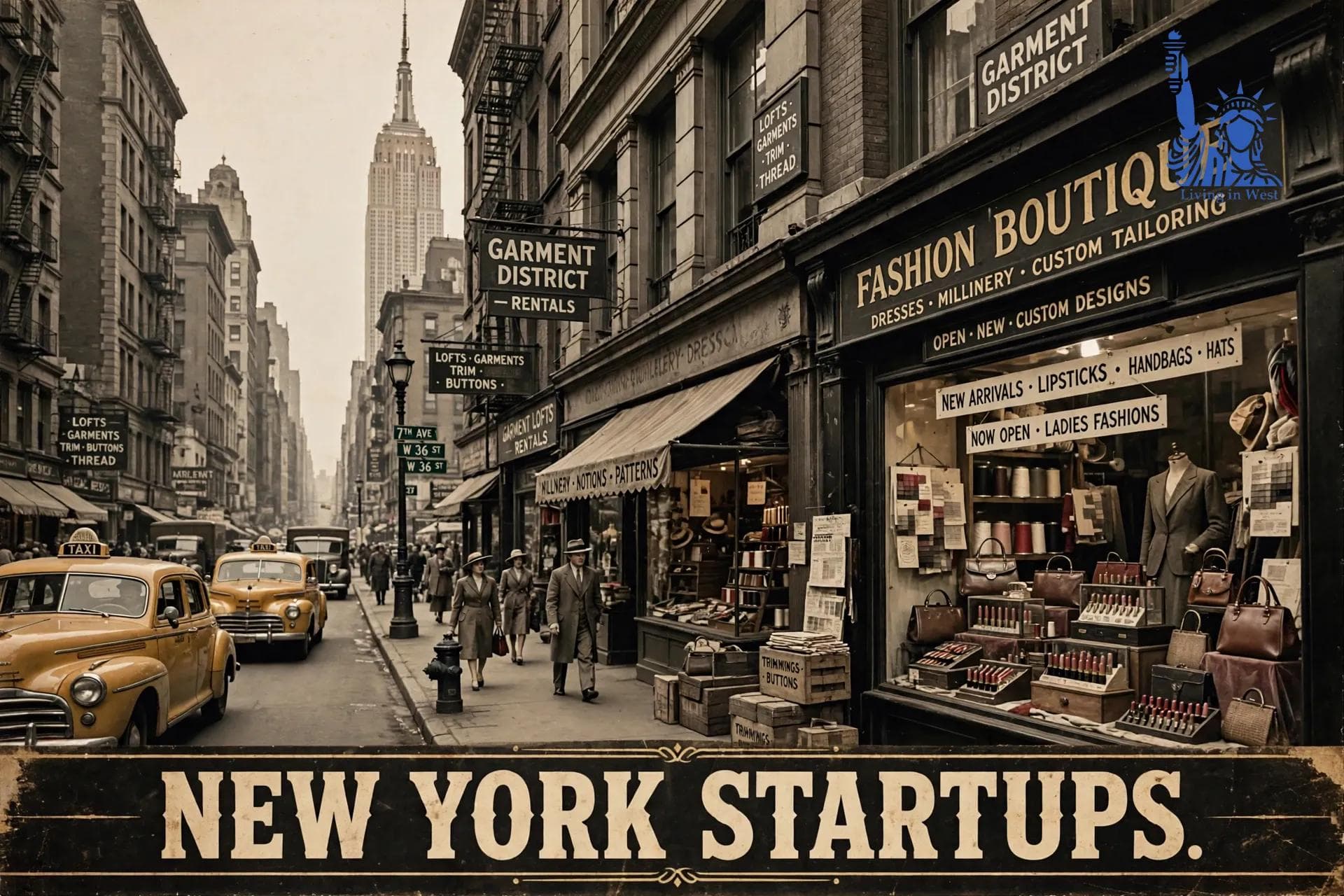
New York City is more than a global center for fashion, beauty and luxury. For generations, it has also been a place where entrepreneurs have been able to turn relatively small businesses into internationally recognized brands.
Some companies began with a tiny storefront. Others started with a few artisans, a small collection of clothing or even beauty products made at home.
Over time, several of these businesses became major global names.
From Tiffany & Co., founded in Manhattan in 1837, to Ralph Lauren, Coach, Calvin Klein, DKNY and Estée Lauder, New York has played an important role in shaping American fashion and beauty.
But there is an important distinction: not every brand carrying a New York name was actually founded in New York. Maybelline, for example, began in Chicago before eventually becoming closely associated with New York after its headquarters moved there.
Here are seven of the most interesting stories.
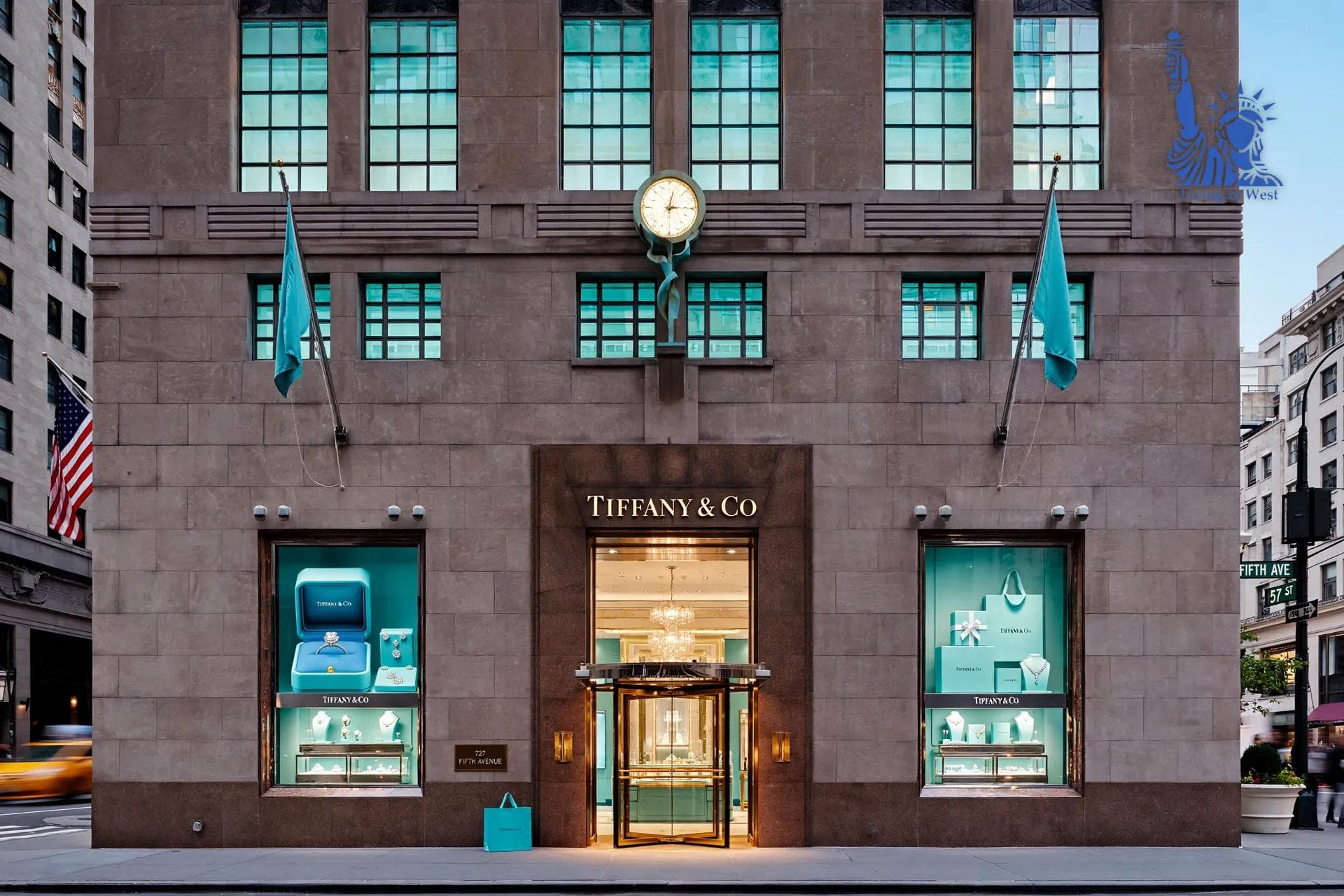
1. Tiffany & Co. — Founded in New York in 1837
Few brands are as closely associated with New York luxury as Tiffany & Co.
How Did Tiffany Start?
In 1837, 25-year-old Charles Lewis Tiffany and his business partner John B. Young opened a stationery and fancy-goods store in New York City.
The company began with a $1,000 advance from Tiffany's father and opened its first store at 259 Broadway in Lower Manhattan.
The first day's sales reportedly totaled only $4.98.
What began as a small store eventually developed into one of America's most famous luxury jewelry houses.
Tiffany gradually moved deeper into the jewelry business and became particularly famous for diamonds and fine craftsmanship.
The company also introduced the famous Tiffany Blue Box, which became one of the most recognizable symbols in luxury retail.
From Small Store to Global Luxury House
Tiffany's Fifth Avenue flagship helped establish the area as one of the world's most famous luxury shopping destinations. The iconic store at 727 Fifth Avenue opened in 1940.
In 2021, Tiffany became part of French luxury group LVMH.
LVMH's original agreement valued the acquisition at approximately $16.2 billion, although the final transaction terms were subsequently adjusted.
Why Tiffany Matters
Tiffany is a classic example of how a small New York retail business developed into a global luxury brand.
Founded: 1837
Original location: 259 Broadway, Manhattan
Industry: Luxury jewelry
Current owner: LVMH
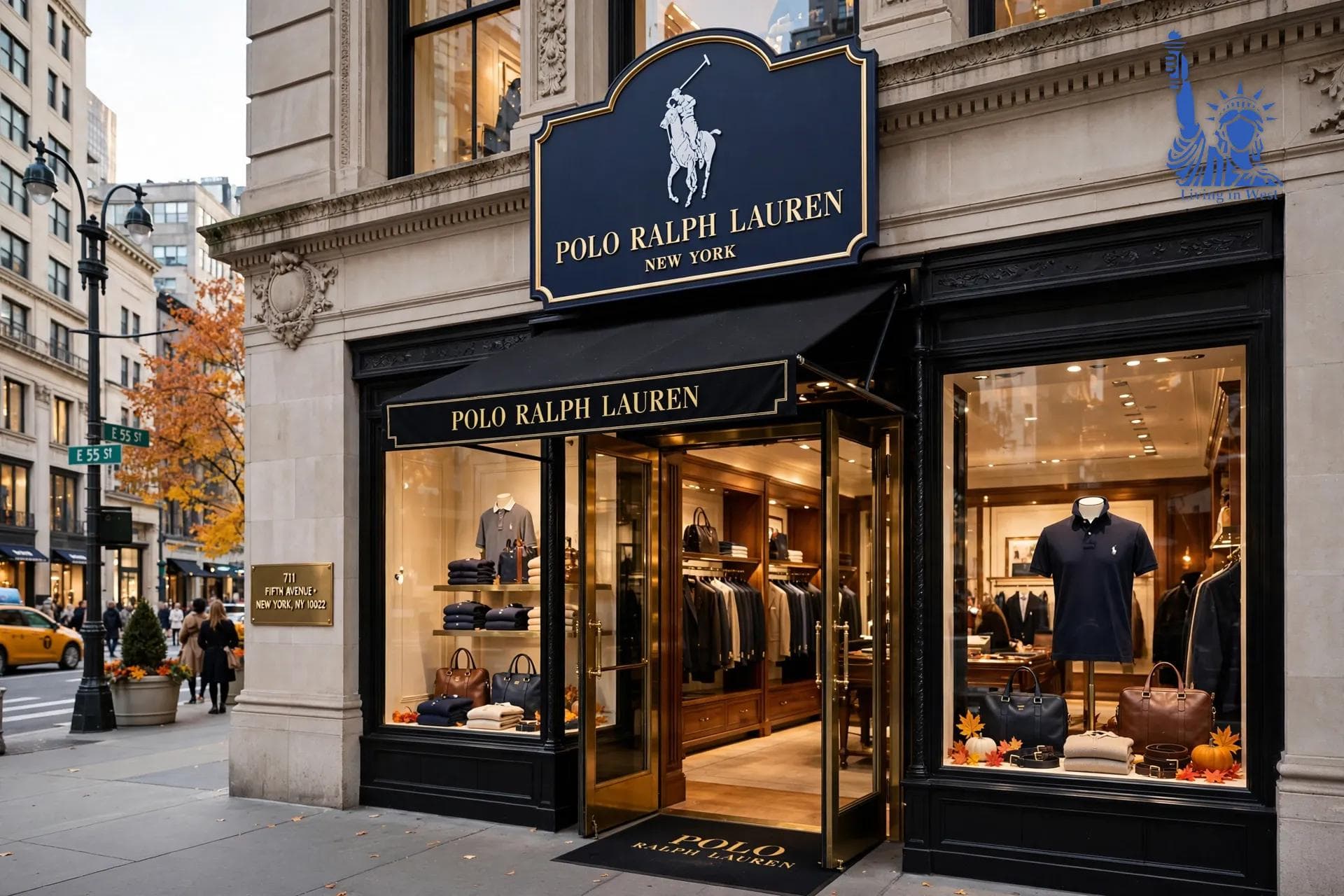
2. Ralph Lauren — Started With Ties in 1967
The Ralph Lauren story is one of the best examples of an entrepreneur turning a relatively simple product into a complete lifestyle brand.
How Did Ralph Lauren Start?
In 1967, Ralph Lauren launched a neckwear line under the name Polo.
According to Ralph Lauren's official history, he worked out of a drawer in the Empire State Building while developing his wide-tie collection.
The idea was simple but different from the narrow ties that were popular at the time.
Lauren introduced wider, more distinctive ties and gradually expanded beyond neckwear.
In 1968, he introduced his first complete men's collection.
By 1970, a Polo by Ralph Lauren boutique had opened inside Bloomingdale's, becoming the store's first boutique dedicated to a single designer.
From Ties to a Lifestyle Empire
Ralph Lauren eventually expanded into:
- Men's clothing
- Women's fashion
- Denim
- Shoes
- Accessories
- Fragrances
- Home furnishings
- Hospitality
The brand became associated with a particular vision of American style rather than simply one category of clothing.
Founded: 1967
Started with: Neckwear
Founder: Ralph Lauren
Known for: Polo and American lifestyle fashion
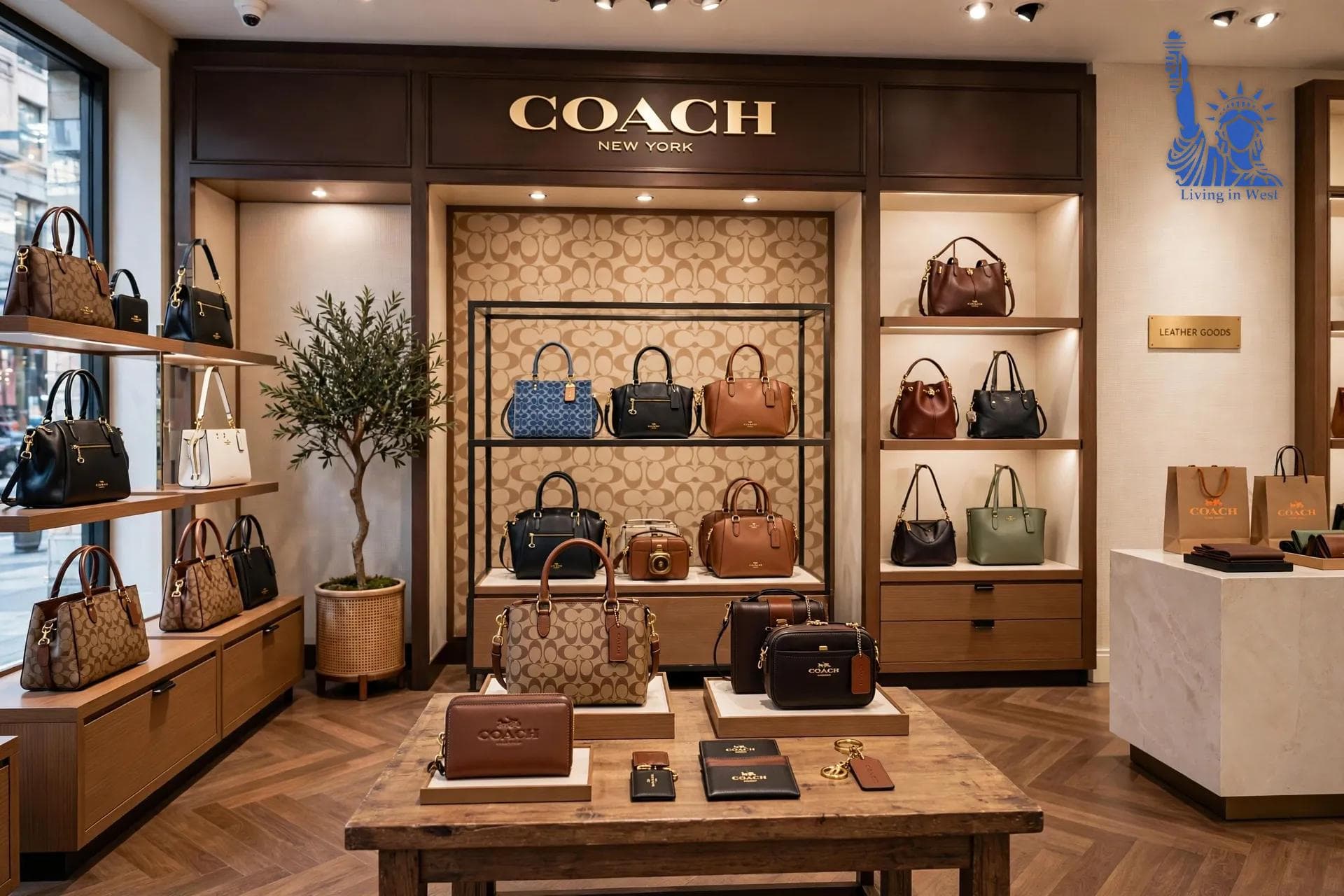
3. Coach — Founded by Six Artisans in New York in 1941
Today, Coach is one of the best-known American leather and fashion brands.
But its beginnings were much smaller.
How Did Coach Start?
Coach says it was founded in New York in 1941 by six artisans.
The company initially focused on handcrafted leather goods.
Later, Lillian and Miles Cahn helped shape the company's growth, while designer Bonnie Cashin joined in 1962 as Coach's first lead designer.
Cashin played an important role in giving Coach a distinctive design identity.
The company eventually opened its first store on Madison Avenue and grew from a family-run leather-goods business into an international fashion house.
How Big Is Coach Today?
Coach is now the largest brand within Tapestry, Inc.
In fiscal 2025, Coach generated approximately $5.60 billion in net sales, according to Tapestry's financial results.
Tapestry as a whole reported approximately $7.01 billion in annual revenue for fiscal 2025.
This makes Coach's growth particularly impressive when compared with its origins as a small New York leather workshop.
Founded: 1941
Original focus: Leather goods
Founded by: Six artisans
Current parent company: Tapestry, Inc.
FY2025 Coach sales: Approximately $5.60 billion
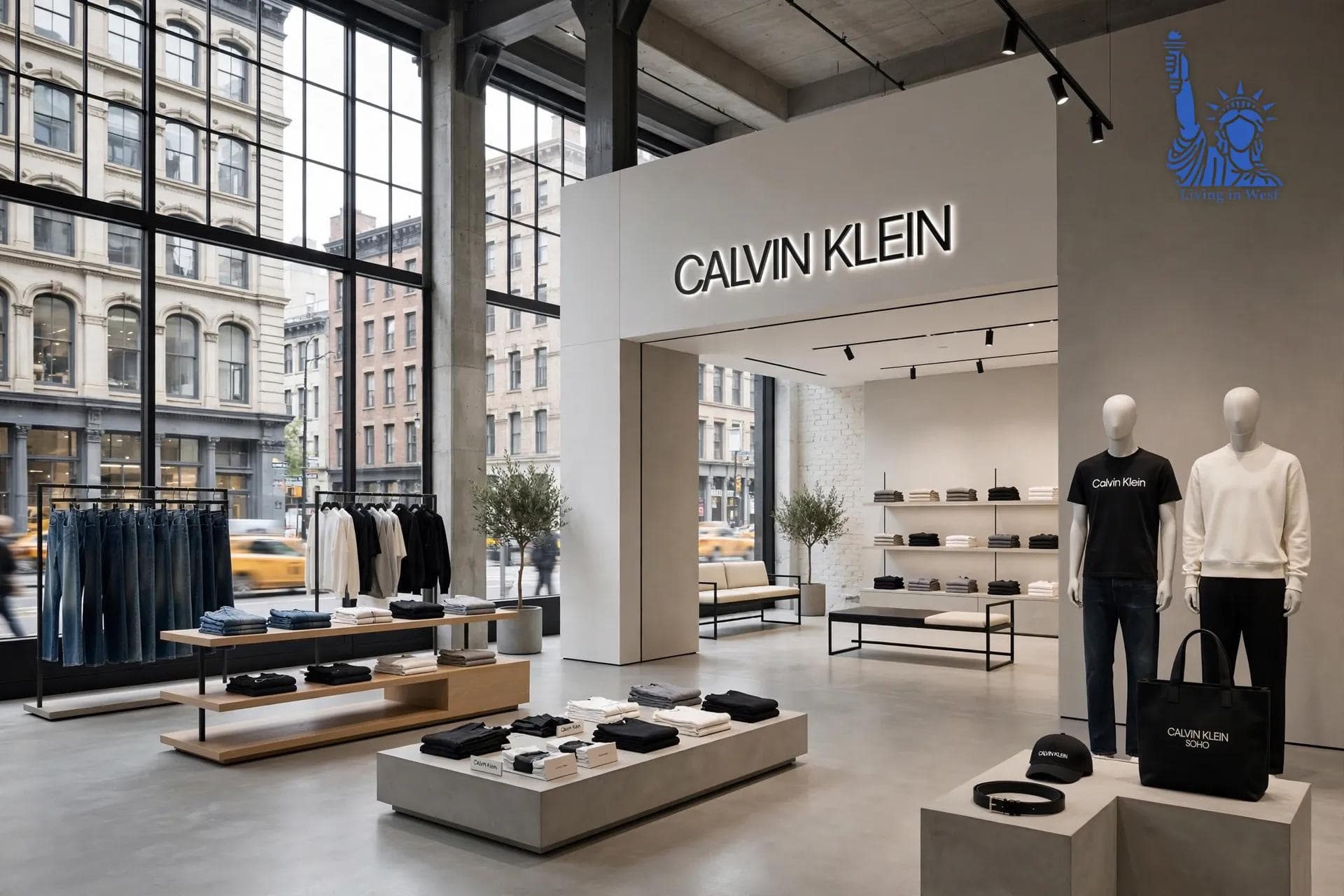
4. Calvin Klein — A $12,000 Beginning in New York
Calvin Klein's story is another example of how New York's fashion ecosystem can turn a small operation into a major international label.
How Did Calvin Klein Start?
Calvin Klein was born and raised in the Bronx and studied at New York's Fashion Institute of Technology.
In 1968, he and childhood friend Barry Schwartz started Calvin Klein Ltd.
Klein contributed approximately $2,000 of his own money, while Schwartz provided or borrowed approximately $10,000, giving the business roughly $12,000 in initial funding.
The company initially focused on coats and women's clothing.
Then came an unexpected opportunity.
A buyer from department store Bonwit Teller reportedly got off on the wrong floor and wandered into Klein's workroom.
The buyer liked what she saw and placed a major order.
That unexpected encounter helped put the young designer on the map.
The Rise of Minimalist Fashion
Calvin Klein became famous for a minimalist aesthetic that emphasized clean lines and understated design.
The brand later expanded into:
- Jeans
- Underwear
- Fragrances
- Men's fashion
- Women's fashion
- Accessories
Calvin Klein's official brand history describes the company as being founded in New York City in 1968 and identifies minimalism as a central part of its design philosophy.
Klein eventually sold his company to Phillips-Van Heusen, now known as PVH, in 2002.
Founded: 1968
Founders: Calvin Klein and Barry Schwartz
Initial funding: Approximately $12,000 combined
Famous for: Minimalist fashion, denim and underwear
Current parent: PVH Corp.
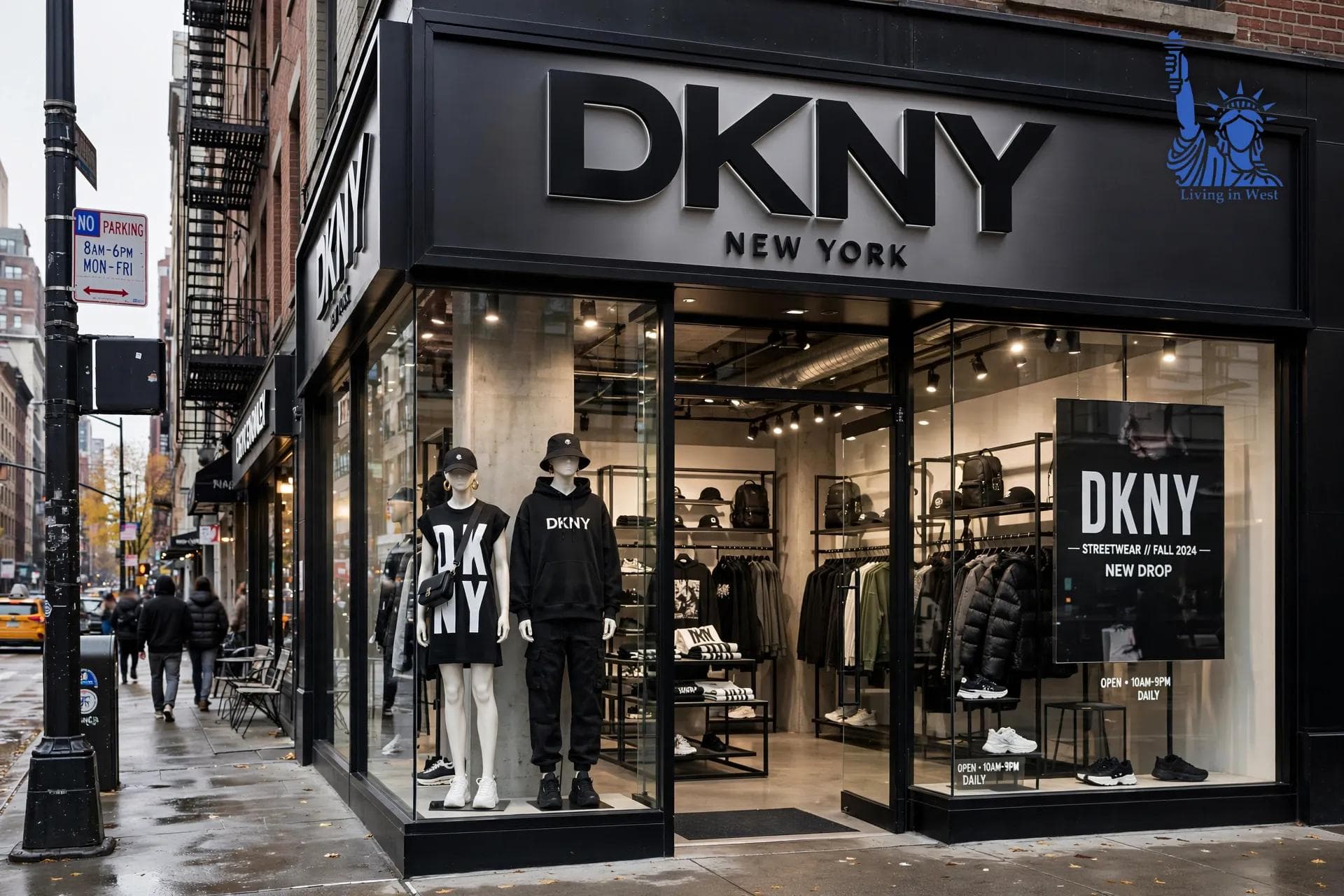
5. DKNY — The New York Lifestyle Brand Founded in 1989
The name itself gives away the inspiration:
Donna Karan New York — DKNY.
How Did DKNY Begin?
Designer Donna Karan established her own fashion company in 1984.
Five years later, in 1989, DKNY was launched as a more accessible and youthful extension of the Donna Karan fashion universe.
The brand focused heavily on the energy and practicality of New York City.
Its identity was built around the idea of clothing that could fit the fast pace of urban life.
G-III Apparel Group, which acquired DKNY and Donna Karan in 2016, describes DKNY as a global fashion brand inspired by the vibrant spirit of New York City.
DKNY Today
DKNY now has a broad lifestyle offering that includes:
- Women's fashion
- Men's fashion
- Accessories
- Footwear
- Fragrance
- Watches
- Kids' products
- Home-related categories
G-III says DKNY is distributed in more than 55 countries and across more than 5,000 points of sale.
The company reported that DKNY's net sales reached approximately $675 million in fiscal 2025, with a longer-term opportunity of around $1 billion in annual net sales.
Founded: 1989
Founder: Donna Karan
Inspired by: New York City lifestyle
Current owner: G-III Apparel Group
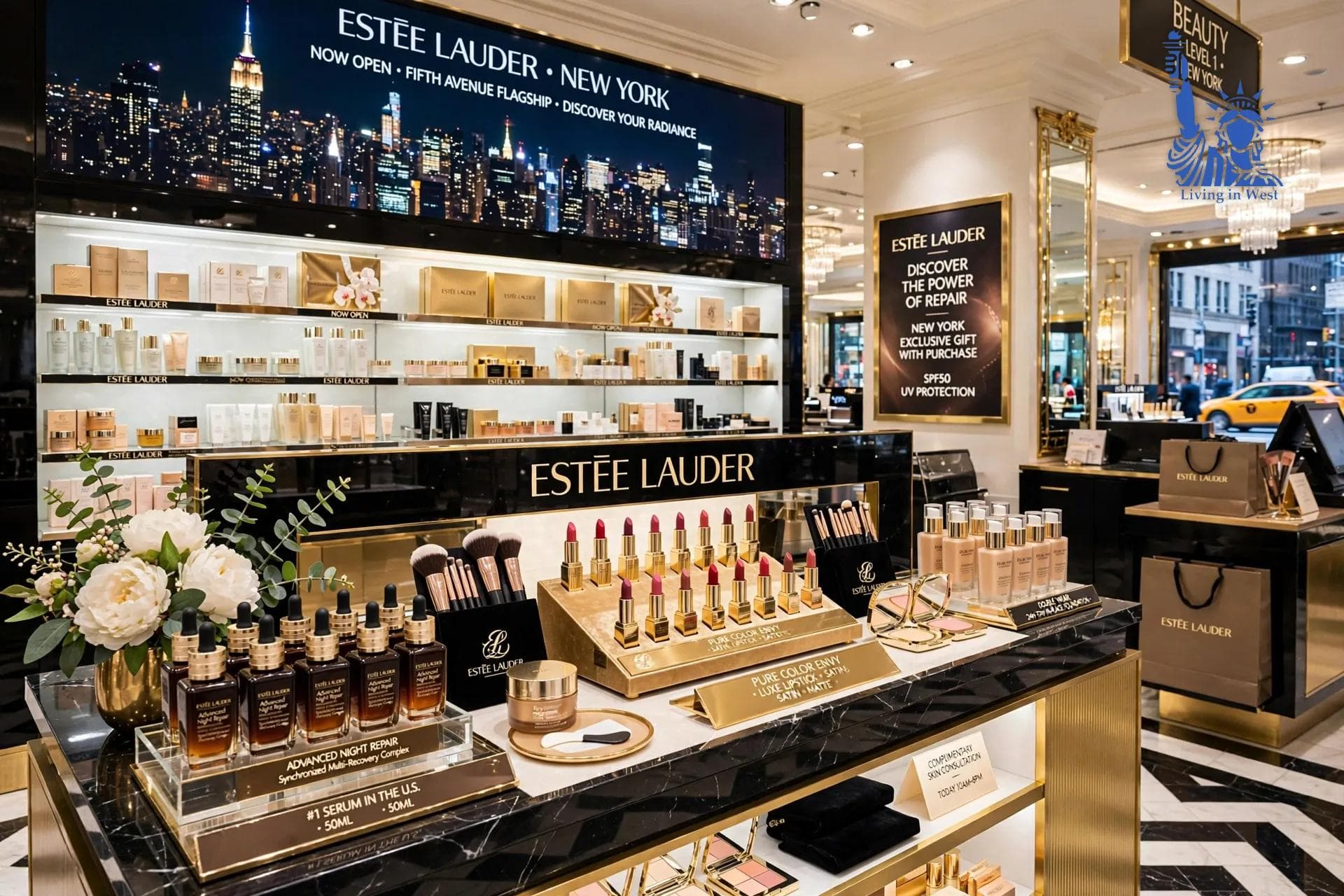
6. Estée Lauder — A Beauty Business Started at Home
New York's influence is not limited to fashion.
One of America's biggest beauty stories also began in New York.
How Did Estée Lauder Start?
Estée Lauder and her husband, Joseph Lauder, officially launched their company in 1946.
Before that, Estée had already been selling skincare and demonstrating products directly to customers.
The company's initial product line consisted of just four products, developed by Estée at her home in Queens, New York.
In 1947, the company received its first major department-store order from Saks Fifth Avenue, worth $800.
That small beginning eventually became one of the world's largest prestige beauty companies.
From Four Products to a Global Portfolio
The Estée Lauder Companies now owns or operates a large portfolio of beauty brands.
Its portfolio has included names such as:
- Estée Lauder
- Clinique
- MAC
- La Mer
- Jo Malone London
- The Ordinary
- Aveda
The company says it has grown from four products into a portfolio of two dozen brands, reaching consumers in approximately 150 countries and territories.
As of June 30, 2025, the company reported approximately 57,000 employees worldwide.
Founded: 1946
Founders: Estée and Joseph Lauder
Started with: Four products
Original base: Queens, New York
Industry: Beauty and cosmetics
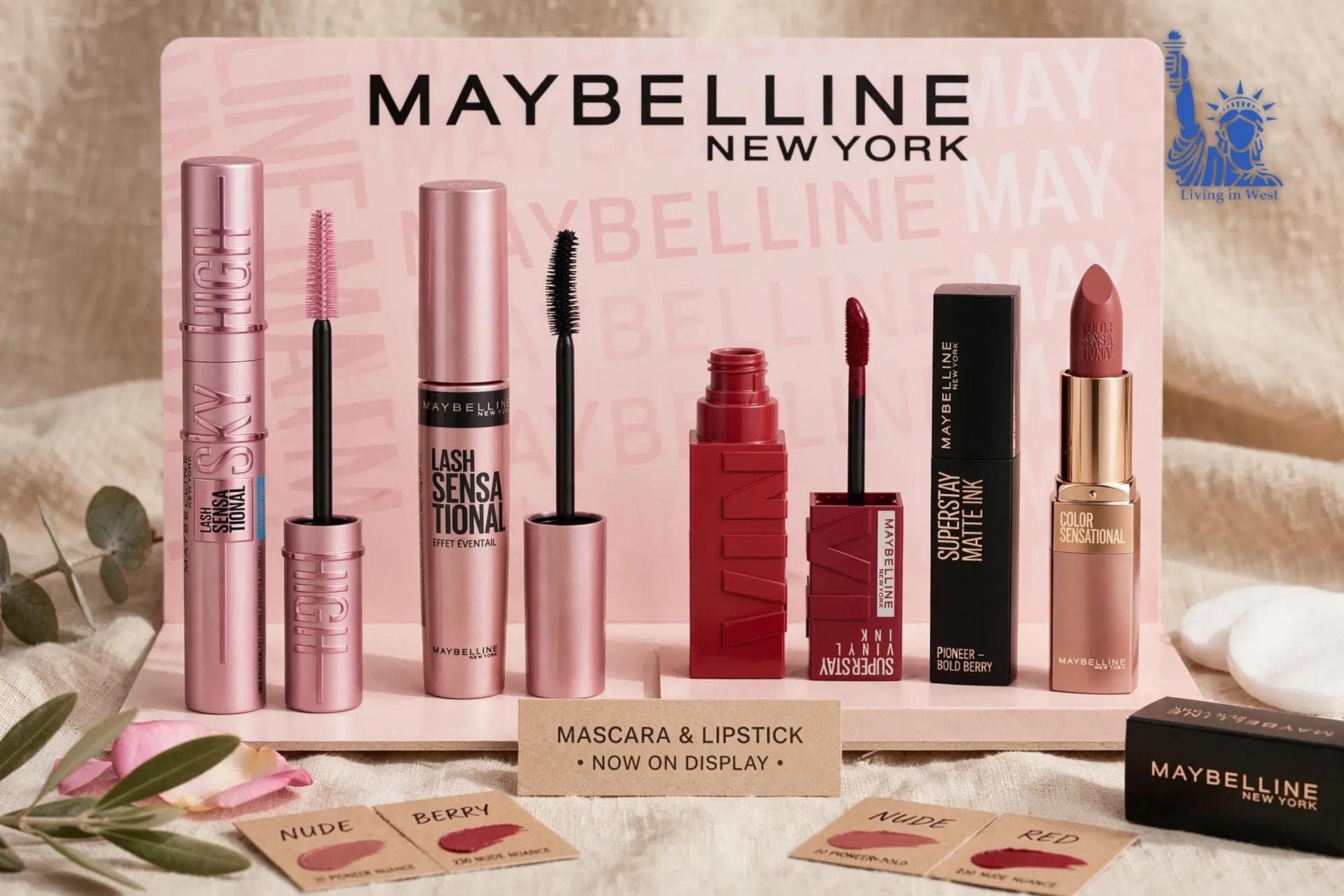
7. Maybelline New York — A Chicago Startup That Became a New York Brand
This is the most important correction to the original list.
Maybelline was not founded in New York.
The company was founded in Chicago in 1915 by Thomas Lyle Williams.
Williams was inspired by his sister Mabel, who used a homemade mixture to darken and enhance her eyelashes.
He developed the idea commercially and created an early eye cosmetic business. L'Oréal's historical material says Maybelline's story began in 1915, when Williams created Maybell Laboratories and began selling mascara.
How Did It Become Maybelline New York?
Maybelline changed ownership several times over the decades.
In 1996, L'Oréal acquired the company.
Its headquarters subsequently moved to New York City, helping establish the "Maybelline New York" identity.
Today, L'Oréal describes Maybelline New York as the world's No. 1 color cosmetics brand.
The brand is sold globally and has become one of the most recognizable mass-market beauty names associated with New York.
Founded: 1915
Original city: Chicago
Founder: Thomas Lyle Williams
Acquired by L'Oréal: 1996
Current association: New York City
Industry: Cosmetics
What Makes New York So Good for Building Brands?
The stories above have something important in common.
New York offers an unusual combination of:
1. A Huge Consumer Market
New York City has historically been one of America's most important retail markets.
A new brand can test products, attract customers and build visibility in a highly competitive environment.
2. Fashion Infrastructure
The city has a deep network of:
- Designers
- Manufacturers
- Photographers
- Models
- Advertising agencies
- Retailers
- Buyers
- Media companies
- Investors
That ecosystem makes it easier for a promising fashion idea to connect with the people and businesses needed to grow.
3. Global Visibility
A brand associated with New York can benefit from the city's international reputation.
For fashion and beauty companies, “New York” can communicate ideas such as modernity, ambition, creativity and American style.
4. Department Stores and Retail
Historically, New York's major department stores played an important role in launching designers.
The stories of Calvin Klein's Bonwit Teller breakthrough and Ralph Lauren's Bloomingdale's boutique show how important retail partnerships could be for emerging designers.
From Small Beginnings to Global Businesses
The most interesting lesson from these companies is that many did not begin with enormous investments.
Tiffany began as a small fancy-goods store.
Coach began with six artisans.
Ralph Lauren started with ties.
Estée Lauder began with four beauty products.
Calvin Klein started with a relatively small amount of startup capital.
And Maybelline began with an early eye-cosmetics idea in Chicago before eventually becoming a New York-based global beauty brand.
Their stories show that a strong brand does not necessarily begin with a huge company behind it.
It can begin with a product, an idea, a customer and a city capable of connecting that idea with the world.
The New York Brand Factory: Final Takeaway
New York's influence on American fashion and beauty is difficult to ignore.
From the luxury jewelry of Tiffany & Co. to the leather craftsmanship of Coach, the lifestyle vision of Ralph Lauren, the minimalism of Calvin Klein, the urban identity of DKNY and the beauty empire created by Estée Lauder, the city has helped produce some of America's most recognizable brands.
And even Maybelline's story shows how powerful the New York brand identity can become: a company born in Chicago eventually built a global identity around New York.
The bigger lesson is simple:
New York does not just sell fashion and beauty. It has helped create the brands, culture and business ecosystem that made American fashion famous around the world.
Editorial Team